Temple of the Masked Gods: The Rise and Fall of Lucha Underground

In the autumn of 2014, television and professional-wrestling collided in a flash of neon, blood, mysticism and spectacle. What emerged was not merely a wrestling promotion, but a cinematic world: the “Temple” of Lucha Underground. A unique hybrid of Mexican lucha libre tradition and Hollywood production values, Lucha Underground rewrote the rulebook of pro-wrestling presentation in the United States. Over four seasons, it unleashed masked heroes and mythic monsters, storylines drenched in supernatural overtones, and characters who felt plucked from a spaghetti-western Aztec prophecy rather than the standard locker-room brawl. But behind the flash-bang entrances and wild dives lay an unstable foundation: complicated contracts, behind-the-scenes tension, and an ending as abrupt as many of its “sacrificed” characters. This is the full, in-depth saga of Lucha Underground: its lead-up, debut, structure, episodes, internal strife, legal storm and ultimate shuttering. Along the way we will explore the key players who defined its mythos: from the despotic owner-promotor to its masked icons of flight and fury.
Episode 1 -- The Lead-Up: Birth of a Different Wrestling Show
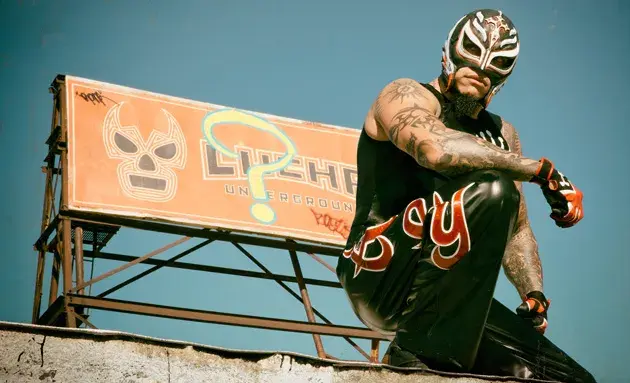
The origins of Lucha Underground trace back to the desire of the Mexican promotion Lucha Libre AAA Worldwide (AAA) to expand into the United States. As one article put it:
“For the last 30 years … WWE has been doing it in a manner that other companies … were trying to follow. One of the visions … was to do something different. We are not trying to compete against WWE. It’s a wrestling TV show, but with another aspect that we are trying to create in a superhero community.” ESPN.com
In January 2014, it was announced that with the support of producer Mark Burnett and director/producer Robert Rodriguez (of Sin City, From Dusk Till Dawn fame) the project would go ahead. Wikipedia+1 Filming would take place in Los Angeles (Boyle Heights and downtown), tapping into a bilingual, bicultural market. Wikipedia+1
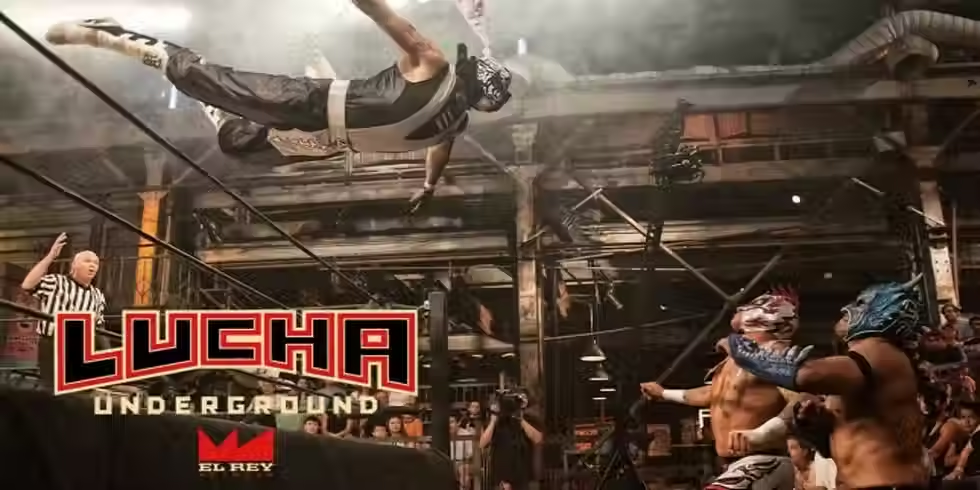
From the start, the vision was cinematic. Rather than a simple ring show, Lucha Underground was conceived as a genre-bending series: masked luchadores as mythical warriors, temple corridors, backstage offices that became death zones, and matches shot with production flair. The “Temple” set, the hybrid of warehouse and arena, became iconic.
Thus by October 29, 2014, Lucha Underground made its debut on the El Rey Network (with Spanish-language broadcasts on UniMás). Wikipedia+1
Episode 2 -- The Debut & Unique Structure

A. Debut
Season 1 of Lucha Underground premiered on October 29 2014. Wikipedia+1 From the first episodes, the show established its tone: high-flying lucha moves, dramatic entrances, camera angles drawn from action films, and a set that felt like a dungeon-arena rather than a standard wrestling ring. The office of the owner/promoter (more on him later) was literally ringside, becoming part of the ring-scape. The Sportster+1
B. Structure and filming approach

Rather than live event to television, the show was taped in a more controlled TV-studio fashion. It relied on segmented parts: backstage vignettes, entrances, promos, then matches, sometimes entire matches with limited editing to preserve the “live fight” feel. The production emphasis, according to ESPN, was:
“We’re trying to develop … something much more real and much more cinematic.” ESPN.com
Matches and story arcs were built more like episodic TV than weekly wrestling stop-gaps. Characters died. Literally. Story deaths of wrestlers happened (a rarity in mainstream American pro-wrestling). The Sportster+1
Each season featured culminating “Ultima Lucha” events—mega shows that served as the season finales. Titles like “Aztec Warfare” (a battle-royal style match) gave the belt lineage drama. Wikipedia+1
C. Seasons Layout
Here’s a rough breakdown:
Season 1 – 2014-2015. Debut season, establishing the mythology, characters, first champion crowned. Wikipedia
Season 2 – early 2016. Fewer episodes (~26) but higher profile names introduced. Wikipedia
Season 3 – 2016-2017. Return to larger output (~40 episodes). Mythic storylines expanded. Wikipedia
Season 4 – 2018. The final season (~22 episodes) aired from June to Nov 2018. Wikipedia
In each season, the promotion blended lucha culture, American independent wrestlers, and cinematic production. Title belts included the “Lucha Underground Championship”, the “Gift of the Gods Championship”, and the Trios Championship. Wikipedia+1
D. The Trophies of War
Lucha Underground Championship

Overview:The Lucha Underground Championship was the premier world title of the promotion — the symbol of supremacy within the Temple. Introduced in Season 1, it represented not just athletic excellence but the will of the gods themselves.
Design and Symbolism:The belt featured Aztec-inspired engravings and a golden faceplate that symbolized the unification of ancient power and modern combat. Unlike other wrestling titles, it was often treated as a living totem—a conduit for divine energy that could alter a wrestler’s destiny.
Notable Champions:
Prince Puma (Ricochet) — The inaugural champion, embodying the heroic spirit of the Temple.
Pentagon Dark — The ruthless antihero whose victory symbolized chaos overtaking order.
Matanza Cueto — The monstrous “god in flesh,” whose reign was a reign of terror orchestrated by his brother, Dario Cueto.
Johnny Mundo and Jake Strong (Jack Swagger) would also hold it, bridging the show’s mythos with real-world wrestling dominance.
Most Notable Matches:
Prince Puma vs. Johnny Mundo — Season 1, Episode 9 (“Aztec Warfare”)
Context: The inaugural championship match that crowned Prince Puma as the first LU Champion.
Why It Matters: Set the tone for the promotion — cinematic intensity, high athleticism, and symbolic storytelling. Puma became the chosen hero of the Temple.
Prince Puma vs. Mil Muertes — Ultima Lucha I
A modern classic: A violent yet emotional spectacle pitting life (Puma) versus death (Muertes).
Symbolism: Mil’s victory represented the gods reclaiming power — a foreshadowing of LU’s mythic core.
Matanza Cueto vs. Pentagon Jr. — Season 2, Episode 9
Brutality Unleashed: A massacre that cemented Matanza as the show’s ultimate monster.
Impact: Pentagon’s defeat set up his transformation into Pentagon Dark, the vengeful antihero of the Temple.
Johnny Mundo vs. Prince Puma — Ultima Lucha Tres (Finale)
Legacy Match: A full-circle story between LU’s first main rivals.
Emotion: Both men embodied the series’ journey — glory, ego, redemption. Puma’s loss marked his symbolic death and the end of LU’s golden age.
Pentagon Dark vs. Matanza Cueto — Ultima Lucha Tres (Cero Miedo Match)
Iconic Moment: Pentagon Dark finally conquers his monster and becomes world champion.
Cultural Resonance: The audience’s eruption echoed LU’s central theme — defiance over divine control.
The title matches often served as LU’s central mythic conflicts—hero vs. demon, man vs. god, destiny vs. corruption.
Lucha Underground Trios Championship

Overview: Unlike most promotions’ tag titles, the Trios Championship embodied the Mexican wrestling tradition of three-person teams, emphasizing chemistry, unity, and the clash of archetypes.
Significance: Dario Cueto introduced it as a way to “force enemies to cooperate,” leading to some of the most compelling storylines in LU history. Teams often consisted of unlikely partners forced to find balance amidst chaos.
Famous Champions and Teams:
Ivelisse, Son of Havoc, and Angelico — The definitive trio, overcoming dysfunction to become fan favorites.
Rey Mysterio, Dragon Azteca Jr., and Prince Puma — A dream team that symbolized generational unity.
The Disciples of Death and Worldwide Underground brought supernatural and ego-driven elements, keeping the division diverse.
Most Notable Matches:
Ivelisse, Son of Havoc & Angelico vs. The Crew (Cortez Castro, Mr. Cisco, Bael) — Season 1, Episode 23 (“Trios Championship Tournament Finals”)
Storyline: Dysfunctional misfits become champions through sheer grit.
Emotional Peak: Their win turned them into LU’s beating heart and cult favorites.
Ivelisse, Son of Havoc & Angelico vs. The Disciples of Death — Ultima Lucha I
Supernatural Warfare: The living vs. the undead.
Outcome: The Disciples dethrone the heroes, marking Catrina’s ascendance in Temple politics.
Rey Mysterio Jr., Dragon Azteca Jr. & Prince Puma vs. Worldwide Underground — Season 3, Episode 22
Dream Team: Generations of lucha unity take on Hollywood arrogance.
Highlight: Rey’s mentoring presence and Azteca’s evolution, blending legacy with modernity.
Ivelisse, Angelico & Havoc vs. Worldwide Underground — Ultima Lucha Tres
Return to Glory: After years apart, the original trio reunites and wins again — a full-circle redemption story.
Each trios match was a tapestry of aerial choreography and emotional storytelling — pure lucha libre heart.
Gift of the Gods Championship
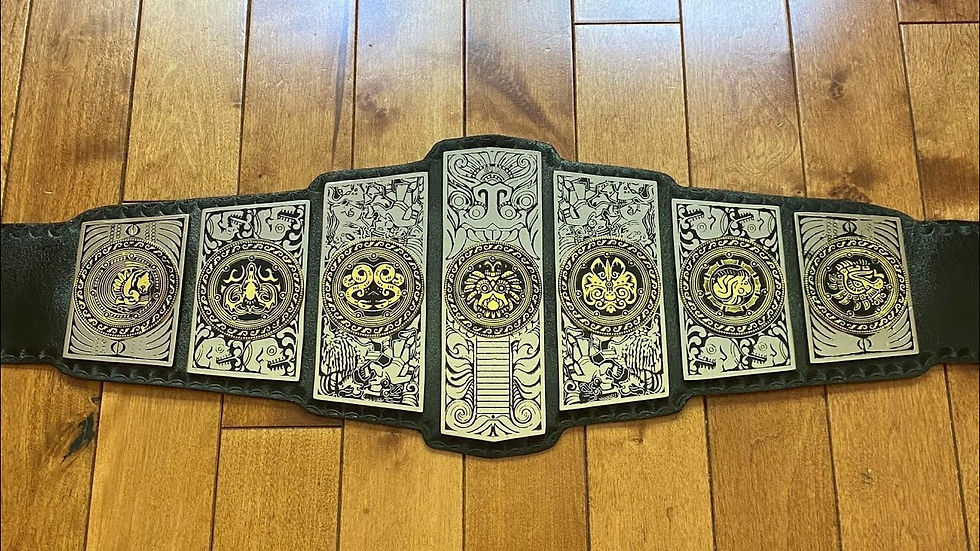
Overview: Introduced by Dario Cueto in Season 1, the Gift of the Gods Championship was Lucha Underground’s unique twist on the classic “Money in the Bank” concept.
Structure: Seven Aztec Medallions, each representing a different ancient tribe, were contested individually throughout the season. Once all seven medallions were earned, they were placed into the Gift of the Gods belt, and a seven-way match determined its holder.
Purpose:
The champion could “cash in” for a Lucha Underground Championship match, but only after giving Cueto one week’s notice, allowing him to “hype the event.”
This built drama and strategy into the mythology, treating the title as a ceremonial object of prophecy rather than a mere contract.
Legacy: It represented balance, destiny, and the intersection of the gods’ will and human ambition. Winners like Fenix, Sexy Star, and Marty “The Moth” Martinez used it as the stepping stone to glory—or ruin.
Most Notable Matches:
Fénix vs. Big Ryck vs. King Cuerno vs. Jack Evans vs. Aerostar vs. Bengala vs. Sexy Star — Season 1, Episode 35 (“Gift of the Gods”)
Historic: The inaugural match for the title.
Result: Fénix claimed victory, fulfilling his phoenix motif of rebirth.
Importance: Introduced the belt as an embodiment of earned destiny — not mere opportunity.
Fénix vs. Mil Muertes — Season 2, Episode 9 (“Death vs. Life”)
Context: Fénix cashes in his Gift of the Gods title against the embodiment of death himself.
Outcome: A legendary match that saw Fénix temporarily halt Mil’s reign of terror, a symbol of rebirth overcoming darkness.
Sexy Star vs. Mariposa — Ultima Lucha Dos (No Más Match)
Not directly for the Gift, but the lead-in to Sexy Star’s title victory later that season.
Importance: One of LU’s most emotionally powerful matches; Sexy Star’s triumph paved her path to become both Gift of the Gods and World Champion — a first for women in LU history.
Marty “The Moth” Martinez vs. The Mack — Ultima Lucha Tres (Falls Count Anywhere)
Chaotic & personal: A violent culmination of Marty’s deranged obsession and Mack’s resilience.
Result: Marty captured the title, symbolizing the gods’ favor twisting toward madness.
Aztec Medallions

Overview: The Aztec Medallions were mystical artifacts representing the seven ancient Aztec tribes that formed LU’s spiritual backbone.
Role: Each medallion was contested in individual matches throughout the season. Possession of one granted entry into the Gift of the Gods Championship match.
Symbolism: They represented the connection between human warriors and divine lineage, with each medallion supposedly carrying the essence of a god. Their mythic weight elevated midcard feuds into epic quests, giving every wrestler purpose within the greater lore.
The seven Aztec Medallions were sacred objects representing the seven tribes tied to the ancient gods. They were more than prizes — they were spiritual keys.
Most Notable Matches:
King Cuerno vs. Killshot — Season 1, Episode 28
High-octane hunt: Cuerno’s predatory persona met Killshot’s military precision.
Result: Cuerno claimed a Medallion, embodying the hunter archetype.
Aerostar vs. Jack Evans — Season 1, Episode 30
Aerial Ballet: Two of LU’s most creative flyers went all out for divine recognition.
Symbolism: Airborne warfare reflecting the Medallion’s promise of transcendence.
Fénix’s Medallion Win — Season 1
Importance: Fénix’s victory completed his mythological journey — from mortal to reborn god.
Gauntlet of the Gods

Overview: Perhaps the most powerful and mystical artifact in LU’s universe, the Gauntlet of the Gods was introduced late in the series as the centerpiece of the divine storyline.
Mythology: The Gauntlet contained the spirit of an Aztec god, granting its wielder Superhuman power. Its bearer became a vessel of divine will, at great personal cost.
Narrative Importance:
Initially sought by multiple factions, it eventually empowered Cage, Mil Muertes, and later Jake Strong, each becoming a godlike force of destruction.
By Season 4’s finale, it served as the key to the gods’ resurrection — symbolizing the blurred line between man and myth that defined Lucha Underground.
Most Notable Matches:
Cage vs. Mil Muertes vs. Jeremiah Crane — Season 3, Episode 37
Battle for the Gauntlet: Brutal and mythic. Cage claims the weapon, becoming “The Machine God.”
Lore Impact: The Gauntlet’s curse weaved through Seasons 3–4, culminating in the gods’ full return.
Jake Strong (Jack Swagger) vs. Pentagon Dark — Ultima Lucha Cuatro (Final Match of LU)
Outcome: Strong triumphs and uses the Gauntlet to resurrect the gods, ending the series.
Symbolism: The fall of man and the triumph of divine manipulation — a tragic finale fitting LU’s mythic tone.
Aztec Warfare
Overview: The signature Lucha Underground spectacle — a hybrid of WWE’s Royal Rumble and an all-out survival war.
Rules:
20 (sometimes 14 or 21) competitors entered one by one.
Eliminations occurred by pinfall or submission, not over-the-top-rope.
The winner earned (or defended) the Lucha Underground Championship.
Notable Editions:
Aztec Warfare I: Crowned Prince Puma as the first champion.
Aztec Warfare II: Matanza Cueto’s monstrous debut and victory.
Aztec Warfare III: Sexy Star became the first (and only) female world champion.
Each match felt like a divine ritual—a chaotic test of endurance and fate where the Temple’s balance was always rewritten.
Battle of the Bulls Tournament
Overview: Introduced in Season 3, the Battle of the Bulls was a multi-round tournament designed to crown a new #1 contender for the Lucha Underground Championship.
Format:
Four fatal-four-way matches opened the tournament.
Winners advanced to a final four-way match.
The victor earned a future title shot.
Purpose: A creative twist on traditional brackets, emphasizing unpredictability and LU’s theme of survival through chaos. Wrestlers like Johnny Mundo and The Mack shone in these bouts, blending spectacle with storytelling.
Cueto Cup
Overview: A Season 3 invention by Dario Cueto, the Cueto Cup was a single-elimination tournament honoring the Cueto family’s supposed “legacy of violence.”
Format and Tone: Modeled after prestigious global tournaments, but steeped in LU’s lore. Each match was both athletic contest and narrative chapter, advancing multiple stories simultaneously.
Notable Outcome:
Prince Puma won the inaugural Cueto Cup, reclaiming his heroic status before facing Pentagon Dark.
The Cup symbolized redemption through blood — the idea that the gods reward those who fight without mercy.
In Lucha Underground, championships weren’t just trophies — they were relics of cosmic storytelling.Each belt, tournament, and artifact was a chapter in a greater myth about power, sacrifice, and rebirth.
Even years after the Temple closed its doors, the legacy of these matches — the sweat, the storytelling, the symbolism — continues to echo through AEW, WWE, and beyond.Because in the world of Lucha Underground, titles weren’t just won.They were chosen by the gods.
Episode 3 -- Meeting The Warriors
Below are detailed profiles of the major characters—both in-ring and backstage (as presented on-screen)—who shaped Lucha Underground’s narrative.
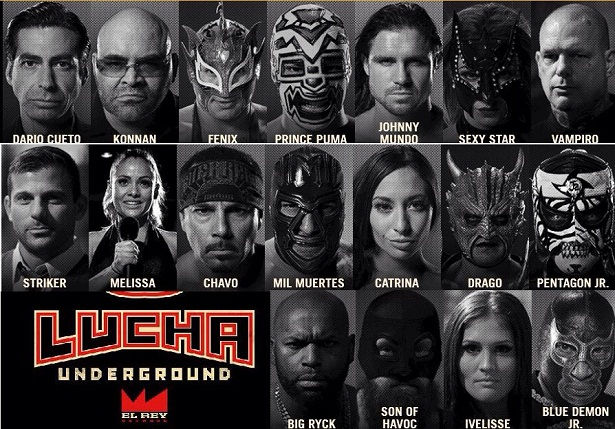
1. Dario Cueto

On-screen character: The owner and promoter of the Temple, Dario Cueto was flamboyant, ruthless and manipulative. His office sat right next to the ring, he made matches on a whim, he betrayed everyone and loved violence. luchaunderground.fandom.com+1
Significance: Cueto embodied the weird fusion of wrestling authority figure + cinematic villain. One writer called him “wrestling’s best authority figure.” The SportsterIn the story, he ultimately gets shot at the end of Season 3, and his father Antonio takes over in Season 4. Wikipedia+1
Behind the scenes the actor, Luis Fernandez‑Gil, would later take on a similar role in Major League Wrestling as “Cesar Duran.” Wrestling Inc.+1
2. Rey Mysterio Jr.

Legendary luchador and globally recognised star, Rey Mysterio joined Lucha Underground in Season 2 as a major signing. He brought instant legitimacy and crossover appeal. According to one article:
“ Rey Mysterio Wanted To Try New Promotions … Lucha Underground signed Rey.” The SportsterHis presence signalled LU’s ambition to attract both lucha-libre purists and broader audiences.
3. Prince Puma (AKA Ricochet)

Prince Puma was the protagonist and first champion of Lucha Underground. He represented the young, high-flying hero archetype. In reality, he was the independent star Ricochet (Trevor Mann). He was portrayed as Konnan’s protege and billed from Boyle Heights. Wikipedia+1 He held the championship, he made the high stakes matches (including “career vs title” bouts) and his eventual departure symbolised a turning point for LU. ESPN.com
4. Pentagón Dark

Pentagón Dark (also spelled Pentagón Jr.) was one of the most intense villains in the Temple—an unhinged luchador whose mantra was “Cero Miedo” (Zero Fear). He eventually became champion, with a record long first reign. Mediotiempo+1He represented the darker, blood-soaked side of LU’s mythos: mind-games, brutal matches, demon-masked mayhem.
5. Rey Fénix

The heart and soul of Lucha Underground, Fénix was the younger brother of Pentagón Dark in storyline, and a spectacular aerial ace. His singles victory over Mil Muertes (first one ever) marked a big moment in LU’s evolution. Wikipedia Fénix brought a blend of lucha-style athleticism, exotic visuals and indie-cred to LU’s roster.
6. Mil Muertes
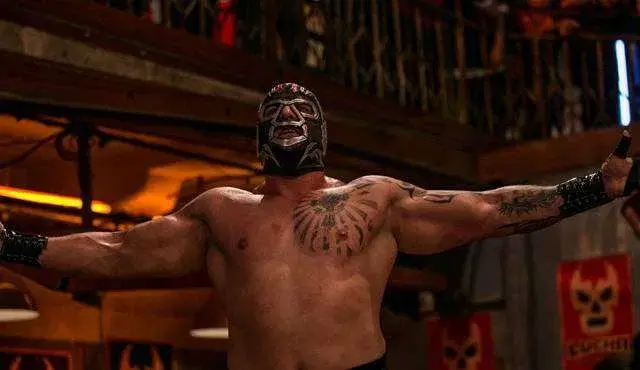
Mil Muertes (Spanish for “One Thousand Deaths”) was the show’s first major monster-heel: a resurrected fighter with Catrina as his valet, who brought horror tropes into the ring. The Sportster+1His matches were defined by violence, symbolism and cinematic gore—the kind of storytelling you rarely saw in US wrestling.
7. Johnny Mundo (AKA John Hennigan/John Morrison)

Johnny Mundo (the ring name used in LU) was a former WWE star (John Morrison) who delivered instant recognition. His rivalry with Prince Puma spanned seasons and headlined major events. ESPN noted:
“…60 percent of the life of the show [the title] was around either Puma or Mundo.” ESPN.comMundo was key to bridging the indie/lucha/television blend, and his “Hollywood” flair matched the production style of the show.
8. Matanza Cueto

Matanza Cueto was the monstrous “brother” of Dario Cueto in storyline—a hulking masked beast kept in a cage, unleashed to destroy. His debut in Aztec Warfare II shocked the Temple. Den of GeekHe embodied the over-the-top mythology of LU: gods, cages, sacrificial vows, death-matches.
9. Vampiro

Vampiro (Ian Richard Alcock) was both an on-screen character and off-screen mentor figure in LU—veteran luchador, commentator, presence of gothic mystique. He guided storylines, occasionally wrestled, and provided continuity and gravitas to the Temple’s weirdness.
10. Konnan

Konnan (Charles Ashenoff) is a lucha-libre legend and served as on-screen manager and storyline voice for many talents, including Prince Puma. His involvement helped ground the show in authentic lucha tradition and gave credibility to LU’s creative blend.
11. Marty Martinez

Marty Martinez (Marty The Moth) was one of the older indie staples within LU—portrayed as a brash heel who wormed his way into title contention, managing, twisting rules, and being involved in some of the contract-drama storylines (and maybe some actual backstage tension too).
12. Brian Cage

Brian Cage brought raw power and athletic unpredictability to LU. He represented the independent-wrestling crossover and helped place LU in the broader US-indie ecosystem.
13. King Cuerno

King Cuerno (real name Jorge Luis Alcantar, aka El Hijo del Fantasma aka Santos Escobar) was a standout underdog babyface luchador. His involvement is also tied to the major contract-lawsuit (see section V). Cageside Seats, for Pro Wrestling fans+1
14. Killshot

Under the steel mask and sniper’s stare, Killshot was the soldier haunted by ghosts. Portrayed by Shane Strickland, later known globally as Swerve Strickland, he entered the Temple as a stoic, precise killer — a man of few words and many regrets. His narrative explored the trauma of war, the burden of loyalty, and the redemption sought through violence.
15. Dante Fox

If Killshot was the soldier who escaped the war, Dante Fox was the one still trapped in it. Portrayed by high-flying independent standout AR Fox, he emerged from the shadows with scars both literal and figurative — a rival and mirror image to Killshot. Their feud transcended wrestling, filmed like a war movie with operatic bloodshed and moral weight.
Dante represented Lucha Underground’s darker side of heroism — a man broken by loyalty and vengeance, diving through tables and glass as if exorcising memories. Though his stay in the Temple was short, his story with Killshot is often remembered as the show’s emotional apex — the point where wrestling and cinema became indistinguishable.
16. Son of Havoc

Bearded, tattooed, and endlessly likable, Son of Havoc (portrayed by Matt Cross) was the Temple’s everyman-rebel: the biker with a heart, the high-flyer who fought from the ground up. Once dismissed as comic relief, he evolved into one of Lucha Underground’s most beloved underdogs.
His chemistry with Ivelisse and Angelico as part of the Trios Champions added humor, tension, and resilience. They were the mismatched family of the Temple — always fighting, always falling, but somehow always winning.
Son of Havoc embodied the show’s scrappy spirit — the idea that even amid gods and monsters, a mortal with guts and grit could still shine.
17. Sexy Star

One of the most controversial yet undeniably significant figures, Sexy Star (real name Dulce Garcia) was the first and only female Lucha Underground Champion — a landmark moment in wrestling storytelling. Her victory in Aztec Warfare III wasn’t just a surprise; it was a statement.
Portrayed as the fierce, unbreakable heroine defying machismo and oppression, Sexy Star symbolized resilience and empowerment within the Temple’s chaos. Her character inspired many fans — though her real-life career would later be mired in controversy outside LU, her on-screen legacy remains a symbol of boundary-breaking representation in modern lucha libre.
18. Angelico
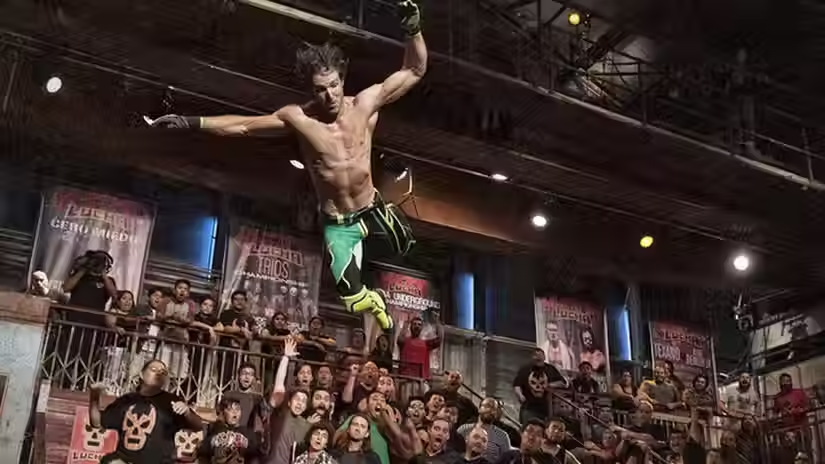
The lanky daredevil from South Africa, Angelico was gravity’s favorite outlaw. Known for breathtaking rooftop dives and liquid-smooth aerial strikes, he quickly became a cult favorite. His kamikaze leaps from the Temple’s catwalks — most famously saving Ivelisse and Havoc to win Trios gold — are replayed as Lucha Underground highlights to this day.
Angelico was the perfect complement to LU’s cinematic world: stylish, fearless, and seemingly indestructible. His effortless charisma made him the show’s “cool rebel” — a man who smiled at danger and leapt off roofs to prove it.
19. Aerostar

The cosmic time-traveler of Lucha Underground, Aerostar turned lucha libre into mythology. With his glowing armor and celestial aura, he wasn’t just a wrestler — he was a hero from another era. In storyline, he literally traveled through time to aid or warn others, connecting LU’s universe to ancient Aztec prophecies.
A staple of AAA and a living embodiment of lucha’s spiritual beauty, Aerostar’s high-flying artistry was matched only by his narrative purpose: the eternal warrior who transcends time, reminding fans that lucha libre is more than combat — it’s legend.
20. Drago

The dragon of the Temple, Drago was a figure born from fire and fantasy — scales, wings, and all. A serpentine luchador from the depths of AAA’s mythology, Drago was both a noble warrior and a mystical creature. His rivalry and eventual alliance with Aerostar painted one of LU’s most vibrant mythic arcs.
When he removed his mask, smoke seemed to rise from his skin — when he flew, the Temple gasped. Drago represented Lucha Underground at its most creative: unapologetically supernatural, steeped in tradition, and yet fiercely modern.
Episode 4 -- Season by Season Breakdown
Season 1 (2014–2015): Birth of a Temple

Overview
The debut season of Lucha Underground premiered on the El Rey Network in October 2014 — a hybrid of wrestling, film noir, grindhouse cinema, and serialized telenovela. Shot in a converted warehouse in Boyle Heights, Los Angeles, the “Temple” was both an arena and a stage. Each episode was filmed with multi-camera cinematic angles, dramatic lighting, and pre-taped vignettes that felt like scenes from an action movie rather than wrestling promos.
Tone & Style
This season established LU’s mythology — seven ancient Aztec tribes, the power of masks, and the mysterious figure Dario Cueto (Luis Fernandez-Gil), who ran the Temple like a ruthless mafia boss mixed with a game show host.Every match was framed as part of his twisted blood sport for the “Lucha Underground Championship.”
Major Storylines
Prince Puma (Ricochet) emerged as the Temple’s heart — the young, silent champion mentored by Konnan, battling through an increasingly dangerous roster.
Johnny Mundo (John Morrison) served as the flashy Hollywood antihero — athletic, arrogant, and destined for collision with Puma.
Mil Muertes, the Man of a Thousand Deaths, and his valet Catrina embodied death and resurrection, their feud with Puma and Fenix laying the foundation for the supernatural elements.
Pentagon Jr. began his transformation from mid-card enforcer to cult phenomenon, breaking arms and declaring loyalty to his mysterious master.
Biggest Matches & Moments
Prince Puma vs. Johnny Mundo (Premiere Episode) – Set the tone for LU’s athletic innovation.
Grave Consequences: Fenix vs. Mil Muertes – A Day of the Dead-themed casket match, shot with cinematic reverence, widely hailed as a masterpiece.
Aztec Warfare – A 20-man battle for the inaugural LU Championship; fast-paced chaos that defined the show’s identity.
Ultima Lucha (Finale) – A season-ending supercard where storylines converged:
Prince Puma (c) vs. Mil Muertes for the title
Pentagon Jr. vs. Vampiro in a blood-soaked war that revealed Vampiro as Pentagon’s “master”
Drago vs. Hernandez in a dragon vs. thug showdown
The ending montage — Dario Cueto fleeing the Temple, Matanza unleashed — solidified LU’s mythos.
Legacy
Season 1 was raw, inventive, and fearless — a perfect storm of lucha artistry and cinematic experimentation. It built an underground cult following and critical acclaim for its world-building and athletic storytelling.
Season 2 (2016): Gods, Monsters, and Bloodlines

Overview
Season 2 expanded the mythology — no longer just a wrestling show, but an epic saga about power, betrayal, and destiny. The cinematography became more polished, the lore deepened, and the supernatural tone intensified.
Major Themes
This season revolved around Dario Cueto’s return to the Temple, now officially housing the godlike Matanza Cueto (Jeff Cobb), introduced as a caged monster who tore through the roster with inhuman fury. The idea of gods walking among mortals became central.
Character Arcs
Pentagon Jr. fully embraced his “Cero Miedo” persona, his feud with Vampiro evolving into an almost religious apprenticeship.
Prince Puma began doubting himself, leading to his alliance and rivalry with Rey Mysterio Jr.
Rey Mysterio’s debut brought mainstream star power and legitimacy.
Fenix rose as a spiritual counterpoint to the deathly Mil Muertes.
Sexy Star became the symbol of perseverance, enduring the torment of Marty “The Moth” Martinez and Mariposa.
The Trios Division flourished — Angelico, Ivelisse, and Son of Havoc shone as underdog heroes.
Biggest Matches & Moments
Aztec Warfare II – Matanza debuted, annihilating nearly the entire roster and winning the LU Championship in one night.
Cage vs. Johnny Mundo (Cage Match) – Brutal, athletic, and chaotic.
Pentagon Jr. vs. Matanza (Ultima Lucha Dos) – The clash of the monster and the rebel.
Prince Puma vs. Rey Mysterio (Ultima Lucha Dos) – Generational perfection: the new vs. the legend.
The season ended with Cueto arrested, symbolizing chaos bleeding beyond the Temple.
Legacy
Season 2 turned Lucha Underground from cult sensation to full-blown myth. The acting, cinematography, and choreography rivaled prestige TV, while the ringwork hit new heights. But the cracks began to show — the show’s costs were rising, and its wrestling contracts grew complicated.
Season 3 (2016–2017): The Rise of Darkness

Overview
Filmed back-to-back with Season 2, this season extended the same cinematic scope but leaned fully into supernatural warfare. Gods were being reborn, immortality became real, and the tone darkened significantly.
Major Themes
Power struggles and divine possession dominated the Temple. The LU Championship became a cursed prize — and Pentagon Dark emerged as its ultimate conqueror.
Character Arcs
Pentagon Dark (formerly Jr.) now stood against everyone — including Vampiro.
Dragon Azteca Jr. pursued vengeance for his mentor.
Dario Cueto faced threats from a mysterious Council of Gods, deepening the show’s secret-society undertones.
Sexy Star’s Championship win (Aztec Warfare III) marked LU’s boldest gender statement.
Rey Mysterio vs. Matanza escalated into a war of family legacies.
The Worldwide Underground (Mundo, Taya, PJ Black, Jack Evans) embodied corruption and excess.
Dante Fox vs. Killshot delivered one of the most shocking, emotional matches in television wrestling history — “The Hell of War Match.”
Biggest Matches & Moments
Aztec Warfare III – Sexy Star’s historic victory.
Johnny Mundo vs. The Mack (All Night Long Ironman Match) – Underrated brilliance.
Hell of War: Dante Fox vs. Killshot (Ultima Lucha Tres) – Cinematic brutality; emotional storytelling through suffering.
Pentagon Dark vs. Prince Puma (Ultima Lucha Tres) – A masterclass ending in Pentagon’s ascension to champion.
The Closing Scene – Dario Cueto, shot and dying, whispering “They’ll need another Cueto…” — introducing Antonio Cueto and foreshadowing a god’s return.
Legacy
Season 3 is often considered LU’s creative peak — storytelling, matches, and performances all hit transcendent levels. But its production delays and pay disputes started brewing serious trouble backstage.
Season 4 (2018): The Fall of the Temple

Overview
By Season 4, the magic was flickering. El Rey Network had cut the budget, and the Temple’s Boyle Heights venue was gone — replaced by a new, smaller location in Los Angeles. The tone grew darker, bleaker, and less cohesive.

Production Notes
Many stars had left due to contract frustrations (notably Prince Puma/Ricochet, who moved to WWE). The reduced roster and financial strain were visible. Storylines became more fragmented, yet still ambitious.
Major Storylines
Antonio Cueto (Dario’s father, played by the same actor) took over, adding a gothic gravitas.
Pentagon Dark’s reign carried the promotion’s final fire — he fought the world, the gods, and his own fear.
Jake Strong (Jack Swagger) arrived as the last “war god,” dominating through brute force.
Matanza’s demise, sacrificed in a ritual, signaled the end of the Cueto dynasty.
Aerostar’s time-travel saga tried to unite the lore, culminating in an apocalyptic finale.
Biggest Matches & Moments
Pentagon Dark vs. Matanza – Bloody, symbolic.
Gift of the Gods Championship matches – retained intrigue despite waning interest.
Ultima Lucha Cuatro (Finale) – Jake Strong’s bloody dominance, Aerostar’s final mission, and the revelation that the gods had won — the world consumed by divine corruption.
Legacy
Season 4 was the end of the Temple — not with a bang, but with exhaustion. The show’s tone shifted from electric creativity to grim fatalism, mirroring its off-screen reality.
Episode 5 -- Behind-the-Scenes Drama & Contract Controversies
Although Lucha Underground was creatively bold, behind the cameras the story was less heroic.

A. Contractual restrictions
One of the most serious issues involved wrestlers’ contracts. Many were signed to multi-year, exclusive deals that purportedly restricted them from working elsewhere—even during hiatuses. In 2019, it was reported that King Cuerno (El Hijo del Fantasma) filed a lawsuit against El Rey Network and the production company, alleging that the contracts “illegally restricted wrestlers from engaging in their lawful profession”, and that pay was extremely low (some cast members reportedly made less than US $4,000 per year) while being barred from other bookings. Cageside Seats, for Pro Wrestling fans
This came to light among fans as well:
“The contracts were horrendous. Essentially, a lot of the wrestlers were unable to work elsewhere … Because of the way the show was produced … it was essentially a few weeks of paying work, then an arduous unpaid hiatus until the next season.” Reddit
B. Talent issues & terminations
There were reported contract terminations for conduct or breach of NDA. For example, the former WWE star MVP (Montel Vontavious Porter) had his contract terminated reportedly because he revealed show-related information on a podcast. Wrestlezone+1
C. Production challenges, hiatuses & pay-structure
Because LU was syndicated, filmed in bulk, and then aired over many months, wrestlers often had long gaps without pay-active bookings (despite being under contract). The production style meant the show needed filming blocks and then long idle periods—making the restrictive contracts even more burdensome. Critics noted that the market of independent wrestling changed quickly, and that these contracts were at odds with evolving norms. Cageside Seats, for Pro Wrestling fans+1
D. Creative vs financial turbulence
While LU enjoyed creative acclaim (the ESPN piece calling it “thriving … built on creativity” ESPN.com), there were budget concerns and uncertainty regarding future seasons. Production costs were significant (location, high-end filming, special effects). The slowdown in schedule (Season 4 was shorter) and eventual non-renewal hint at behind-the-scenes issues.
Episode 6 -- Analysis: What Made Lucha Underground Unique and What Ultimately Brought It Down
A. What made it unique
Hybrid production values – The show looked like a TV drama with pro-wrestling inside. The setting (a warehouse “temple”), the lighting, the camera work—altogether far removed from standard ring-arena broadcasts.
Mythic storytelling – Wrestlers died, monsters roamed, gods intervened. The mortal combat was layered with supernatural overtones. The Sportster+1
Lucha-Libre emphasis – The show brought lucha traditions (masks, high-flying, trios, Aztec motifs) to an American audience, but didn’t dumb it down. ESPN noted the show aimed to do something “much more real and cinematic”. ESPN.com
Character-driven booking and long-term arcs – Rather than episodic title changes, many arcs played out across seasons. The debut of Matanza, for example, was long-built.
Talent crossover – A mix of recognisable stars (Rey Mysterio, Johnny Mundo) and rising indie/puroresu talents (Ricochet, Fénix, Cage) gave it both legitimacy and fresh appeal.
B. What ultimately brought it down
Contractual dysfunction – The “exclusive” contracts which restricted talent but didn’t guarantee steady pay created backstage resentment and legal entanglements.
Production costs vs returns – High production values mean high expenses. For a niche cable network (El Rey) and relatively limited audience, the ROI may have been insufficient long-term.
Hiatuses and irregular airing – Because taping blocks were large and airing schedules complex, talent saw long idle periods. Momentum may have been lost.
Talent turnover – As key performers left (Ricochet opted out, etc) transitional periods may have weakened the on-screen product. Wrestling Inc.
Trademark/rights complexity – The show’s intellectual-property model may have hindered merchandising, licensing, international expansion.
Competitive wrestling climate – With WWE, AEW, NJPW, and the independent boom all happening concurrently, LU occupied a distinct niche but perhaps too distinct to sustain mainstream growth.
Season Finale -- The Fire Still Burns Beneath the Temple
Part 1. The Cinematic Revolution
Before Lucha Underground, wrestling was rarely treated as film. Promos were shot backstage, interviews were raw and unpolished, and most wrestling companies avoided editing beyond basic broadcast production. LU shattered that tradition.
El Rey Network and Robert Rodriguez’s production ethos gave the show a distinctive cinematic DNA. The pre-taped vignettes were filmed like crime dramas and supernatural thrillers — dynamic lighting, slow-motion violence, orchestral soundtracks, and multi-layered sound design. Every character was shot as an archetype: the wounded hero, the fallen god, the femme fatale, the monster in the cage.
This approach would redefine how wrestling was presented:
WWE’s “Cinematic Matches” during the COVID-19 pandemic — particularly the Boneyard Match (AJ Styles vs. The Undertaker) and Firefly Funhouse Match — borrowed directly from LU’s stylized storytelling, camera work, and narrative structure.
TNA's “Broken Universe” and AEW's "Stadium Stampede” matches also reflected LU’s DNA: blending humor, myth, and violence in self-contained narrative worlds.
Independent promotions like MLW, Defy, and GCW began experimenting with filmic presentation — emphasizing tone, character, and mood over simple in-ring segments.

Lucha Underground was the first modern wrestling show to unapologetically embrace being cinema, and not merely a “sport show.” It made wrestling art again.
Part 2. The Narrative Revolution: Wrestling as Serialized Fiction
LU didn’t treat its stories as isolated feuds or titles — it built a continuous mythology. Each episode was part of an interconnected story about gods, destiny, betrayal, and rebirth. Every character had motivation, backstory, and transformation.
This serialized storytelling was unlike anything in mainstream wrestling at the time:
Dario Cueto wasn’t a mere “authority figure”; he was a Shakespearean villain manipulating fate for amusement.
Prince Puma, Pentagon Dark, and Fenix represented mythological archetypes — the Hero, the Rebel, the Phoenix — told through lucha libre’s physical poetry.
The idea of Ultima Lucha as a season finale turned wrestling booking into a dramatic arc, not just event-to-event planning.
This structure prefigured the modern episodic style used by AEW, Impact Wrestling, and NJPW Strong — where characters evolve over “seasons” and stories are told in cinematic beats rather than endless loops.
It also influenced the storytelling psychology of wrestlers themselves. LU trained performers to think like actors: to understand framing, subtext, and long-term character growth. Pentagon, Fenix, Killshot, and others carried that sensibility into every new company they joined.
Part 3. Style and Substance: The Lucha Hybrid

Inside the ring, Lucha Underground broke stylistic boundaries. The show became a laboratory for hybrid wrestling — the merging of lucha libre, American indie, Japanese strong style, and cinematic violence.
Signature Elements
Aerial agility and fluid chain wrestling (from AAA’s core roster)
Hard-hitting physicality of American indie stars like Cage, Mundo, and Mack
Psychological violence and weapon-heavy brutality (especially from Pentagon and Vampiro’s segments)
Thematic matches — “Grave Consequences,” “Hell of War,” “Aztec Warfare” — which combined symbolism and spectacle.
This fusion inspired a generation of wrestlers to transcend national styles. Promotions like AEW, Pro Wrestling Guerrilla (PWG), and even WWE’s NXT became showcases for this post-LU wrestling language.
Everywhere you look today — from AEW’s trios matches to Impact’s X-Division — you can feel LU’s rhythm: a symphony of chaos, choreography, and character.
Part 4. The Alumni: From the Temple to the World

Perhaps LU’s most enduring contribution is its roster of world-class talent — many of whom became the backbone of modern wrestling’s global boom.
Prince Puma (Ricochet)
Once the silent champion of the Temple, Ricochet became one of the most recognizable athletic marvels in WWE. His LU run showcased his storytelling depth and aerial mastery, paving the way for his NXT North American Championship reign and his international acclaim as one of wrestling’s greatest high-flyers.
Pentagon Dark (Penta El Zero M) & Rey Fenix
The Brothers from Hell — LU’s breakout stars. Their transformation from undercard luchadores to main-event artists changed modern lucha libre forever. In AEW, as part of Death Triangle with PAC, they brought LU’s fire to mainstream American audiences. Pentagon’s “Cero Miedo” chant and Fenix’s ethereal acrobatics became modern symbols of defiance and beauty in wrestling.
Johnny Mundo (John Morrison / Johnny TV)
Dario Cueto (Luis Fernandez-Gil)
One of the greatest non-wrestler characters in history. His performance inspired a wave of “prestige villain” authority figures — more nuanced, more performative, and far darker than the old-school heel GM. His return in MLW as Cesar Duran proved the cult of Cueto lives on.
Killshot (Swerve Strickland)
Swerve took LU’s psychological edge and cinematic confidence into AEW, where he’s now considered one of the best all-around performers in the world. His LU arc with Dante Fox gave him storytelling legitimacy; his AEW persona — cold, complex, artistic — is LU’s philosophy realized on a bigger stage.
Dante Fox (AR Fox)
While his mainstream spotlight came later, his LU work remains essential study in emotional storytelling through wrestling. His “Hell of War” performance is still whispered about as one of wrestling’s most visceral moments.
Cage (Brian Cage)
His LU portrayal as the unstoppable machine shaped his AEW and Impact personas. LU allowed Cage to develop a hybrid style — muscular dominance with the agility of a cruiserweight — that made him one of the most versatile big men in the modern era.
Rey Mysterio Jr.
A living legend already, but LU gave Rey a new stage — no longer the young underdog, but the wise mentor guiding a generation. His matches with Prince Puma and Matanza added new chapters to his myth, reaffirming his timeless relevance.
Son of Havoc (Matt Cross), Angelico, Ivelisse, and Aerostar & Drago
These performers embodied LU’s “ensemble power.” They showed that storytelling didn’t need one star — it could thrive through chemistry, balance, and emotional realism. Many of them carried those lessons into AEW, AAA, and the indie circuit, mentoring new generations in LU’s philosophy of blending character and craft.
5. The Cultural and Industry Impact
Beyond wrestling itself, Lucha Underground redefined representation and tone.
It celebrated Latino culture without exoticizing it — Aztec lore, Spanish dialogue, and Mexican tradition were woven respectfully into the show’s mythos.
It created space for women to compete as equals — Sexy Star’s title win, Ivelisse’s leadership, and Taya’s presence signaled a shift in wrestling gender politics.
It legitimized bilingual storytelling in mainstream American media, predating shows like Narcos and Mayans M.C. in merging English and Spanish with cultural integrity.
For many fans and creators, Lucha Underground was a gateway to understanding wrestling as literature and film — a serialized mythology worthy of study, not just spectacle.
6. The Death and Rebirth of the Temple

Though it ended in 2018, LU’s afterlife persisted.
Major League Wrestling (MLW) revived its essence through Azteca Underground, featuring Dario Cueto and LU alumni.
AEW’s Trios Division owes its entire creative DNA to LU’s trios legacy.
Wrestlers like Swerve, Pentagon, Fenix, and Taya Valkyrie explicitly cite LU as the place that “taught them how to tell stories.”
Even in WWE, subtle homages — Ricochet’s body language, mysterious vignettes, and supernatural tropes — trace their lineage back to Boyle Heights.
The Temple was never destroyed. It merely evolved — its gods now scattered across promotions, carrying the fire in their masks, tattoos, and souls.
Poetic Coda — “Echoes from Boyle Heights”
The warehouse is empty now,
Its lights cold,
Its ring silent.
But if you listen closely,
You can still hear the drums —
The echoes of Cero Miedo,
The rustle of wings,
The whisper of Cueto’s key in the dark.
They said the Temple was gone.
But gods do not die;
They reincarnate.
Every time a wrestler steps through smoke,
Every time a camera lingers on a story instead of a punch,
Every time myth meets muscle —
The Temple breathes again.
Because Lucha Underground was never just a show.
It was a prophecy.
And prophecy
Never ends.
A List of Sacred Combat From The Temple
Season 1 (2014–2015) — The Birth of the Temple
Prince Puma vs. Johnny Mundo — Episode 1 (“Welcome to the Temple”)
The very first LU main event. An explosive introduction to the show’s cinematic tone and athletic standard.
Fénix vs. Pentagon Jr. vs. Drago — Episode 8 (“A Unique Opportunity”)
A breathtaking triple threat showcasing the essence of lucha libre. Set the stage for all three as key figures.
Aztec Warfare I (20-Man Match for the LU Championship) — Episode 9
Crowned Prince Puma as the first Lucha Underground Champion. Controlled chaos done perfectly.
Fénix vs. Mil Muertes — Episode 14 (“A Death Worse Than Fate”)
The first clash of “Life vs. Death.” Visceral, emotional, and symbolic of LU’s mythic storytelling.
Johnny Mundo vs. King Cuerno — Episode 19 (Cage Match)
A violent and cinematic classic that pushed the boundaries of what a TV match could feel like.
Ivelisse, Son of Havoc & Angelico vs. The Crew — Episode 23 (Trios Championship Finals)
The underdog trio triumphs. Heart, dysfunction, and sheer will — pure LU magic.
Fénix vs. Mil Muertes — Episode 32 (“Grave Consequences”)
A masterpiece. LU’s take on a casket match, layered with emotion, blood, and artful symbolism.
Widely considered one of the greatest matches in LU history.
Prince Puma vs. Johnny Mundo — Episode 38 (Iron Man Match)
60 minutes of endurance, innovation, and storytelling. Elevated both men to main-event icons.
Prince Puma vs. Mil Muertes — Ultima Lucha I
The ultimate Season 1 showdown: hero vs. monster. Brutal, dramatic, and beautifully filmed.
Result: Mil Muertes becomes LU Champion, signaling a shift to darker mythos.
Season 2 (2016) — The Age of the Gods
Fénix vs. King Cuerno — Episode 14 (Last Luchador Standing)
Intense and emotional — Fénix’s resilience against the hunter’s cruelty. An underrated gem.
Aztec Warfare II — Episode 9
Matanza Cueto debuts, annihilates everyone, and wins the LU Championship.
The most shocking moment in LU history — the arrival of a god in human form.
Fénix vs. Matanza Cueto — Episode 10 (“Monster Meets the Man”)
The beloved phoenix meets the monstrous god. One-sided, yet hauntingly poetic.
Mil Muertes vs. Matanza Cueto — Episode 13 (Grave Consequences II)
An apocalyptic sequel to Fénix/Mil. Mythic, grim, and cinematic — death vs. divinity.
Sexy Star vs. Mariposa — Ultima Lucha Dos (No Más Match)
A deeply personal and emotional masterpiece. Brutal yet empowering — one of LU’s defining moments.
Prince Puma vs. Rey Mysterio Jr. — Ultima Lucha Dos, Part 3
A passing of the torch. Respectful, fast-paced, and technically pristine.
“The old king meets the new prince.”
Season 3 (2016–2017) — Chaos and Resurrection
Aztec Warfare III — Episode 9
Sexy Star becomes the first female world champion. Historic and thrilling, even amid controversy.
Cage vs. Texano — Episode 20 (Best of 5 Series Finale)
Brutal, physical, and decisive — a showcase of LU’s heavyweights at their best.
Killshot vs. Dante Fox — Ultima Lucha Tres, Part 1 (Hell of War Match)
Widely regarded as LU’s most violent and emotional match.
A story of betrayal, brotherhood, and redemption told through pure physical storytelling.
“This is not wrestling. This is war.”
Prince Puma vs. Pentagon Dark — Ultima Lucha Tres, Part 1 (Cueto Cup Final)
A stunning technical and emotional battle. Puma’s final victory before his tragic downfall.
Johnny Mundo vs. The Mack — Ultima Lucha Tres, Part 2 (All Night Long 2)
A wild, stamina-driven marathon match. The Mack’s heart vs. Mundo’s arrogance — pure entertainment.
Pentagon Dark vs. Matanza Cueto — Ultima Lucha Tres, Part 3 (Cero Miedo Match)
Pentagon’s crowning moment. He conquers his monster and becomes LU Champion.
The cathartic climax of a three-season journey.
Fénix vs. Marty “The Moth” Martinez — Ultima Lucha Tres, Part 4 (Hair vs. Mask)
The perfect blend of classic lucha tradition and cinematic storytelling. Emotional and vicious.
Season 4 (2018) — The Fall of the Temple
Pentagon Dark vs. Matanza Cueto — Episode 1 (“El Jefe”)
Pentagon slays the beast decisively, asserting himself as LU’s new apex predator.
Cage vs. Mil Muertes vs. Jeremiah Crane — Episode 17 (Three-Way for the Gauntlet of the Gods)
A mythic battle drenched in violence and lore. Cage becomes “The Machine God.”
Son of Havoc vs. Killshot — Ultima Lucha Cuatro, Part 1 (Mask vs. Mask)
Intense, emotional, and tragic — a perfect culmination of their intertwined arcs.
“No heroes. No villains. Just soldiers.”
Johnny Mundo vs. Matanza Cueto — Ultima Lucha Cuatro, Part 2 (Sacrifice to the Gods)
Mundo’s heroic turn against the monstrous god. A mix of action and biblical imagery.
Pentagon Dark vs. Marty “The Moth” Martinez — Ultima Lucha Cuatro, Part 2 (Cero Miedo Match)
One of the bloodiest and most dramatic matches of the series.
Pentagon’s final stand as the people’s dark hero.
Dragon Azteca Jr. vs. Fénix — Ultima Lucha Cuatro, Part 2 (Two-out-of-Three Falls)
Artistic and heartbreaking. Azteca’s revenge turns into tragedy as Fénix succumbs to darkness.
Taya Valkyrie vs. Ricky Mundo — Ultima Lucha Cuatro, Part 2
A short but cathartic payoff to one of LU’s strangest and most disturbing storylines.
Jake Strong vs. Pentagon Dark — Ultima Lucha Cuatro, Part 2 (Main Event)
The final match in LU history. Strong claims the Gauntlet, revives the gods, and ends the series on an apocalyptic note.
The fall of man. The dawn of divinity.
Bibliography
Gagnon, J. (2019, February 6). King Cuerno files lawsuit against El Rey Network, class action lawsuit on the way? WrestlingInc. Retrieved from https://www.wrestlinginc.com/news/2019/02/king-cuerno-files-lawsuit-against-el-rey-network-650676/ Wrestling Inc.
Gagnon, J. (2019, March 26). Lucha Underground reportedly settles with talent, given immediate releases. WrestlingInc. Retrieved from https://www.wrestlinginc.com/news/2019/03/lucha-underground-reportedly-settles-with-talent-652389/ Wrestling Inc.
Has Pizzazz, M. (2023, January 17). MLW’s Cesar Duran (fka Dario Cueto) ‘wins’ Booker of the Year over Tony Khan & Vince McMahon. Cageside Seats. Retrieved from https://www.cagesideseats.com/2023/1/17/23559167/mlws-cesar-duran-fka-dario-cueto-wins-booker-of-the-year-over-tony-khan-vince-mcmahon Cageside Seats, for Pro Wrestling fans
Mutter, E. (2023, February 23). “Cesar Duran says Lucha Underground’s Dario Cueto was ‘literally the dev il’.” WrestlingInc. Retrieved from https://www.wrestlinginc.com/1208031/cesar-duran-says-lucha-undergrounds-dario-cueto-was-literally-the-devil/ Wrestling Inc.
Nash, A. (2023, February 16). John Hennigan: Cesar Duran is a throwback to a great ’80s manager. WrestleZone. Retrieved from https://www.wrestlezone.com/news/1345274-john-morrison-cesar-duran Wrestlezone
Tessier, C. (2023, February 22). Cesar Duran teases big plans for Major League Wrestling. SEScoops. Retrieved from https://www.sescoops.com/interviews/cesar-duran-teases-big-plans-for-mlw/ SEScoops
Unknown author. (n.d.). Two lawsuits filed against Lucha Underground – TPWW. TPWW. Retrieved February 6, 2019 from https://www.tpww.net/2019/02/two-lawsuits-filed-against-lucha-underground/ tpww.net
Unknown author. (n.d.). Ivelisse and Kobra Moon released from Lucha Underground. Diva Dirt. Retrieved October 28, 2025 from https://www.diva-dirt.com/ivelisse-and-kobra-moon-released-from-lucha-underground/ Diva Dirt
Unknown author. (2014). The thriving Lucha Underground is built on creativity, boosted by a new audience. ESPN. Retrieved from https://www.espn.com/wwe/story/_/id/19462124/the-thriving-lucha-underground-built-creativity-boosted-new-netflix-audience ESPN.com
Unknown author. (2016). Johnny Mundo and Prince Puma end Lucha Underground’s longest rivalry at Ultima Lucha Tres. ESPN. Retrieved from https://www.espn.com/wwe/story/_/id/21064989/lucha-underground-ultima-lucha-tres-concludes-same-way-lu-started-prince-puma-vs-johnny-mundo ESPN.com+1
Unknown author. (2025, September 28). MLW’s Cesar Duran takes shots at WWE’s Saudi Arabia shows during Fury Road. Khel Now. Retrieved from https://www.khelnow.com/wwe/mlws-cesar-duran-takes-shots-wwes-saudi-arabia-shows-during-fury-road/ Khel Now
Wikipedia contributors. (n.d.). Lucha Underground. In Wikipedia. Retrieved from https://es.wikipedia.org/wiki/Lucha_Underground Wikipedia
Wikipedia contributors. (n.d.). Lucha Underground. In Wikipedia (Portuguese). Retrieved from https://pt.wikipedia.org/wiki/Lucha_Underground pt.wikipedia.org


Comments