From Hybrid Theory to From Zero: The Unbreakable Evolution of Linkin Park (A Definitive Album-by-Album Review)
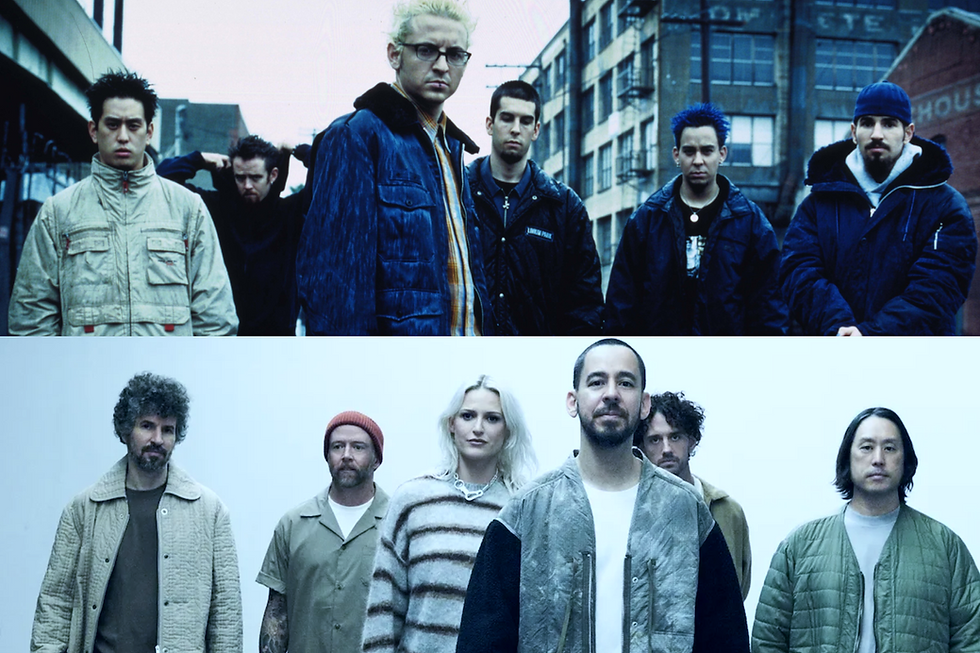
Few bands have captured the turbulence, emotion, and innovation of the early 21st century quite like Linkin Park. Emerging from Agoura Hills, California, they fused the aggression of nu-metal with electronic textures, hip-hop flows, and pop accessibility. At their heart were Chester Bennington’s volcanic vocals and Mike Shinoda’s visionary production, surrounded by a band of technical precision and fearless creativity — Brad Delson on guitar, Rob Bourdon on drums, Joe Hahn on turntables, and Dave “Phoenix” Farrell on bass.
Across nine albums, they defied stagnation. They started a movement, transformed with every era, and left behind a discography that reads like a roadmap of modern rock evolution. Below, I rank and review every album in depth — from “worst” to best (though even their weakest record shines) — diving deep into every track to celebrate the journey of one of the most important bands of our time.
9 — Living Things (2012): Synths, Sparks, and Soul Searching

Mood: Electronic revival meets emotional reflection.
Style: Synth-rock, pop-influenced, polished.
“Living Things” saw Linkin Park blending their heavier origins with sleek electronic production — a kind of sonic collage of their previous experiments. It’s accessible, melodic, and emotionally grounded.
Track-by-track breakdown
Lost in the Echo – A thunderclap of an opener. Shinoda’s verses feel hungry, Chester’s chorus soars skyward, and the synth-rock fusion perfectly balances menace and melody.
In My Remains – A brooding anthem about loss and self-reflection. The military drum rolls and Chester’s desperate vocals create an almost cinematic grandeur.
Burn It Down – The radio-friendly hit: bright synths, crystalline vocals, and a sense of renewal. The only slight critique? It’s almost too perfect — a polished diamond that could’ve used a few cracks.
Lies Greed Misery – Short, sharp, and explosive. Shinoda’s verses spit venom while Chester’s screams claw through the electronic noise. Punk energy disguised in glitchy beats.
I’ll Be Gone – Soaring and melancholic, with a celestial guitar riff that makes you feel the open sky. Thematically, it’s resignation wrapped in melody.
Castle of Glass – A masterpiece. Folktronica meets rock in a haunting reflection on fragility and rebuilding. Chester’s delivery aches with sincerity.
Victimized – Raw, frenetic, and thrilling. In just over a minute, it channels early LP fury with a hardcore pulse.
Roads Untraveled – A spiritual centerpiece. The band embraces open space, using silence and echo as instruments. “Weep not for roads untraveled” is a mantra for maturity.
Skin to Bone – Hypnotic beats and mechanical vocals. Less immediate, but its industrial rhythm is quietly addictive.
Until It Breaks – A collage of styles: Shinoda raps, layered samples rise, and Bennington closes with aching restraint. Experimental and confident.
Tinfoil / Powerless – An instrumental prelude flows into one of Chester’s most emotional performances. “Powerless” ends the record on a note of surrender and beauty.
Production
Co-produced by Rick Rubin and Mike Shinoda, the album sounds pristine — a clean, digital sheen that bridges synth and guitar with surgical precision. It’s sleek but not sterile; every drum hit and synth swell feels calculated to create both tension and clarity.
Instrumentation
The band embraced electronic layers like never before — shimmering synth pads, vocal chops, and glitchy percussion loops dominate much of the record. Yet Brad Delson’s guitar still finds space to roar, as on “Lost in the Echo” and “Victimized.” Rob Bourdon’s drumming is tight and punchy, often blending acoustic and programmed kits seamlessly.
Lyrical and Emotional Storytelling
Themes of resilience, introspection, and recovery weave through the album. Songs like “Roads Untraveled” and “Castle of Glass” explore fragility and healing, while “Burn It Down” and “In My Remains” wrestle with rebirth amid loss. The lyrics are introspective but universal — the band’s empathy and emotional honesty shining through.
Final thoughts
“Living Things” is Linkin Park mastering fusion: electronics, rock, rap, and introspection. It’s the sound of evolution, even if it plays a little too safe in spots.
8 — The Hunting Party (2014): The Return of the Beast

Mood: Raw, aggressive, and unapologetically loud.
Style: Thrash-inspired hard rock with punk energy.
After the glossy “Living Things,” Linkin Park went feral again. “The Hunting Party” is their heaviest release since “Meteora” — a declaration that guitars still matter.
Track-by-track breakdown
Keys to the Kingdom – Opens with Chester’s distorted scream, like a bomb detonating. A feral declaration of intent.
All for Nothing (feat. Page Hamilton) – A collision of post-hardcore grit and LP groove. Hamilton’s guest vocals add authenticity and chaos.
Guilty All the Same (feat. Rakim) – The riff is pure adrenaline. Rakim’s verse bridges generations of rebellion. A modern metal anthem.
The Summoning – An eerie interlude — the calm before another storm.
War – A punk blitzkrieg. Two minutes of Chester in pure fury mode.
Wastelands – Shinoda’s flow and a jagged guitar riff make this one of the most balanced songs here — muscular yet melodic.
Until It’s Gone – A sing-along with emotional weight. “You don’t know what you’ve got until it’s gone” feels cliché in text but transcendent in sound.
Rebellion (feat. Daron Malakian) – The System of a Down guitarist’s stamp is unmistakable — frenetic, off-kilter, and thrilling.
Mark the Graves – A dynamic mix of ambient introspection and explosive choruses. One of the most underrated LP tracks ever.
Drawbar (feat. Tom Morello) – Instrumental beauty. Morello’s tones drift between ethereal and apocalyptic.
Final Masquerade – The band’s melodic sensibilities return full force here. Gorgeous, emotional, timeless.
A Line in the Sand – A seven-minute closer with cinematic scale — Shinoda narrates the fall of man, and the band ends on a thunderous note.
Production
Self-produced by Mike Shinoda, this record intentionally rejects the glossy perfection of Living Things. Guitars are raw, drums are unpolished, and distortion is everywhere. The mix breathes — you can almost feel the air shaking in the studio.
Instrumentation
This is the most aggressive instrumentation of their career. Drop-tuned guitars, punk-tempo drums, and shredding solos replace the electronics. Guest appearances from Daron Malakian (System of a Down), Tom Morello (Rage Against the Machine), and Page Hamilton (Helmet) deepen the record’s heavy roots.
Lyrical and Emotional Storytelling
Lyrically, the band channels frustration — not just with personal pain, but cultural numbness. “Until It’s Gone” and “Guilty All the Same” decry apathy and entitlement, while “Rebellion” reclaims youthful defiance. Chester’s vocals here are rawer than ever, cracking and snarling with conviction.
Final thoughts
Aggressive, daring, and alive. “The Hunting Party” is the sound of Linkin Park reclaiming their teeth — and it bites hard.
7 — A Thousand Suns (2010): The Atomic Soul of Experimentation

Mood: Post-apocalyptic, spiritual, and visionary.
Style: Concept album blending ambient electronics with rock and spoken word.
This was their art statement. Divisive on release, revered in hindsight. “A Thousand Suns” is less a collection of songs than a sonic movie about humanity, technology, and self-destruction.
Track-by-track breakdown
The Requiem / The Radiance – Intro suites featuring J. Robert Oppenheimer’s chilling quote about the atomic bomb. Sets a haunting tone.
Burning in the Skies – Softly devastating. “I’m swimming in the smoke of bridges I have burned.” A meditation on guilt and consequence.
When They Come for Me – Tribal drums, confident swagger, and Mike Shinoda’s fiercest flow to date. A manifesto: “I am not a pattern to be followed.”
Robot Boy – Dreamy and distant. Chester’s layered vocals glide through the ether.
Waiting for the End – One of LP’s greatest songs — Caribbean-tinged rhythm, heartfelt vocals, and a euphoric release.
Blackout – Controlled chaos. Chester’s screams over fractured beats feel cathartic and wild.
Wretches and Kings – A protest chant turned into a dance of rebellion. Hard-hitting and political.
Iridescent – A spiritual balm. The group harmonies near the end evoke unity and healing.
The Catalyst – A dizzying electronic storm. “Lift me up, let me go” — a plea amidst technological overload.
The Messenger – Stripped to acoustic guitar and raw voice. The album’s human heartbeat.
Production
This is Mike Shinoda and Rick Rubin at their most daring. The production fuses industrial noise, ambient soundscapes, and layered vocal harmonies. Samples of speeches (Oppenheimer, Martin Luther King Jr.) and static transitions create a cinematic flow. The sound design is dense — beats dissolve into drones, guitars blur into synths.
Instrumentation
Traditional instrumentation often gives way to sound collage. Guitars are sparse but impactful when used; drums morph into tribal percussion; synths pulse like radiation. “When They Come for Me” and “Wretches and Kings” explode with experimental rhythms, while “The Catalyst” is pure electronic transcendence.
Lyrical and Emotional Storytelling
The album’s narrative unfolds like a warning and a confession. “Burning in the Skies” mourns human error, “Waiting for the End” offers quiet hope, and “The Messenger” strips everything bare to rediscover humanity. Every lyric feels haunted by the shadow of self-destruction.
Final thoughts
“A Thousand Suns” is art. It’s the band’s most ambitious statement — sometimes challenging, always fascinating. The only slight critique: its heavy conceptualism can demand patience. But for those who give it time, it’s transcendent.
6 — Minutes to Midnight (2007): Growing Up Loudly

Mood: Transitional, introspective, cinematic.
Style: Alternative rock meets arena-scale maturity.
“Minutes to Midnight” marked LP’s first real departure from nu-metal. Cleaner production, broader themes, and emotional range define this record.
Track-by-track breakdown
Wake – An atmospheric prologue, a curtain rising on transformation.
Given Up – Furious, raw, Chester’s iconic 17-second scream makes rock history.
Leave Out All the Rest – Gentle yet powerful; a plea for forgiveness and legacy.
Bleed It Out – Stadium-ready energy and Shinoda’s razor-sharp verses.
Shadow of the Day – A U2-esque anthem of acceptance and peace.
What I’ve Done – A global hit. Simple piano riff, powerful message — humanity seeking redemption.
Hands Held High – A politically conscious prayer. Earnest and brave.
No More Sorrow – One of LP’s most guitar-heavy moments. Anger sharpened to melody.
Valentine’s Day – Sad, beautiful minimalism; Chester at his most vulnerable.
In Pieces – Funky guitar lines and smooth grooves — an underrated gem.
The Little Things Give You Away – Epic closer with swelling emotion. A masterpiece finale.
Production
Once again guided by Rick Rubin, the production is cinematic and open. Acoustic textures, ambient guitars, and live drums replace the heavy sampling of earlier work. It feels organic, widescreen, and meticulously balanced.
Instrumentation
Brad Delson’s guitar tones are more expressive and varied, often shimmering rather than shredding. The piano and strings add emotional warmth, while Shinoda’s arrangements give songs like “The Little Things Give You Away” a film-score feel. Bourdon’s drumming has never sounded more dynamic.
Lyrical and Emotional Storytelling
This is Linkin Park’s “growing up” record. Songs like “Leave Out All the Rest” and “Shadow of the Day” explore mortality and meaning, while “Hands Held High” confronts war and politics with unflinching honesty. Chester and Mike trade vulnerability — no personas, just humanity.
Final thoughts
“Minutes to Midnight” was Linkin Park’s coming-of-age — the point where they stopped chasing trends and started writing timeless songs.
5 — Reanimation (2002): The Remixed Revolution

Mood: Experimental, kinetic, playful.
Style: Hip-hop, industrial, electronic re-imagining of Hybrid Theory.
“Reanimation” could have been a novelty. Instead, it’s an artistic reinvention that stands proudly as its own experience.
Highlights
P5hng Me A*wy – “Pushing Me Away” reborn as a ghostly trip-hop meditation.
Enth E Nd – A reworked “In the End” with fresh verses and a darker electronic pulse.
By_Myslf – Heavier, glitchier, angrier — and somehow cooler.
Krwlng – A chilling re-imagining of “Crawling” featuring Staind’s Aaron Lewis.
Frgt/10 – Mike’s verses meet Chali 2na’s smooth flow; pure hip-hop gold.
Production
Heavy sampling, breakbeats, and re-recorded vocals dominate. The production transforms familiar songs into new worlds — industrial, trip-hop, and drum’n’bass collide. The sonic layering is intricate, proving how malleable their compositions really were.
Instrumentation
While built largely on programming, guitars and live elements peek through in inventive ways. Turntable wizard Joe Hahn takes center stage — his mixing work defines the record’s chaotic beauty. Collaborators like Pharoahe Monch, Aaron Lewis, and Chali 2na add fresh textures and perspectives.
Lyrical and Emotional Storytelling
The original lyrics are often reframed, twisted through effects and reinterpretation. “Krwlng” turns “Crawling” into a gothic lament, while “Frgt/10” recontextualizes “Forgotten” as street poetry. It’s less about narrative than atmosphere — the emotional DNA of Hybrid Theory seen through a new lens.
Final thoughts
More than a remix album, “Reanimation” is an experiment that works. It showed early that LP’s DNA was malleable — capable of thriving in any form.
4 — One More Light (2017): The Heart Laid Bare

Mood: Vulnerable, pop-inspired, heartbreaking.
Style: Pop-rock, electronic balladry.
This is Chester Bennington’s final album — a hauntingly honest exploration of loss, love, and fragility. On release, it divided fans; after his death, it became sacred.
Track-by-track breakdown
Nobody Can Save Me – The sound of internal reckoning.
Good Goodbye – A sharp fusion of hip-hop swagger and pop sensibility.
Talking to Myself – A driving beat and one of Chester’s most passionate performances.
Battle Symphony – Optimistic, soaring — pop done with authenticity.
Invisible – Shinoda takes lead, offering tender self-reflection.
Heavy (feat. Kiiara) – Catchy yet confessional. The emotional weight lives in the title.
Sorry for Now – A father’s apology set to synth-pop; Shinoda’s voice brims with sincerity.
Halfway Right – Vulnerable storytelling and aching melody.
One More Light – Heart-wrenching. Chester’s vocal purity makes it almost unbearably emotional.
Sharp Edges – Acoustic closer with folk undertones — hopeful and human.
Production
Co-produced by Mike Shinoda and Emily Wright, the record embraces clean pop structures, layered synths, and vocal clarity. The production feels intimate — almost confessional — with every sound serving Chester’s voice.
Instrumentation
Acoustic guitars, soft pianos, and airy synths dominate. Live drums give way to crisp programmed beats, while harmonies expand the emotional texture. The restraint in instrumentation mirrors the vulnerability in the lyrics.
Lyrical and Emotional Storytelling
“Talking to Myself” and “Heavy” capture the struggle between self-awareness and helplessness. “Invisible” and “Sorry for Now” humanize Shinoda’s perspective as a parent and artist. The title track, “One More Light,” is one of the band’s most soul-stirring statements — a simple question of empathy: “Who cares if one more light goes out?”
Final thoughts
Critics misread “One More Light” as a pop sell-out. In truth, it’s their most emotionally transparent work. It bleeds empathy.
3 — From Zero (2024): Resurrection and Reinvention

Mood: Hopeful, modern, assertive.
Style: Post-rock meets electronic modernism.
“From Zero” is the rebirth — proof that Linkin Park could move forward while honouring their past. It’s catharsis turned into creation.
Track-by-track breakdown
From Zero (Intro) – Cleansing tones and a statement of renewal.
The Emptiness Machine – Industrial, thunderous, and defiant.
Cut the Bridge – A crisp rocker about breaking cycles.
Heavy Is the Crown – A towering anthem about legacy and responsibility.
Over Each Other – A touching, atmospheric mid-tempo track.
Casualty – Furious guitars, commanding energy, emotional release.
Overflow – A slow build into one of the album’s most powerful climaxes.
Two Faced – A dual-tone exploration of authenticity and deception.
Stained – Brooding and emotional, with shades of “Meteora” melancholy.
Good Things Go – Bittersweet closure: nostalgic yet forward-looking.
Production
Shinoda’s fingerprints are all over the mix — a careful blend of analog warmth and digital innovation. Guitars return, but now they coexist with cinematic synthscapes and intricate percussion layers. The production feels balanced, reflective of a band comfortable in its own duality.
Instrumentation
The sound design is lush: swelling strings, layered vocals, and guitars that shimmer rather than shred. Bourdon’s drumming anchors the new direction with subtlety, while Delson’s textures recall Minutes to Midnight-era sensitivity.
Lyrical and Emotional Storytelling
Themes of healing, identity, and renewal dominate. Tracks like “Heavy Is the Crown” and “Overflow” process grief and gratitude simultaneously. Shinoda’s lyrics often address legacy — how to move forward without erasing what was lost.
Final thoughts
“From Zero” doesn’t imitate — it evolves. It’s both tribute and transformation, proving Linkin Park’s story isn’t over.
2 — Meteora (2003): Refinement and Resonance

Mood: Controlled chaos and emotional release.
Style: Nu-metal perfected.
If “Hybrid Theory” invented the formula, “Meteora” perfected it. Every song sounds massive — a stadium built on pain and perseverance.
Track-by-track breakdown
Don’t Stay – Urgent and defiant. A perfect tone-setter.
Somewhere I Belong – Melodic catharsis; Chester’s voice is liquid emotion.
Lying from You – Crunchy riff, swaggering rhythm — classic LP energy.
Hit the Floor – Relentless and raw.
Easier to Run – A heart-wrenching ballad disguised as a rock song.
Faint – Two minutes and 42 seconds of perfection. A quintessential Linkin Park anthem.
Figure.09 – Electronic pulse meets anger. Underrated.
Breaking the Habit – The crown jewel. Lyrically poetic, musically transformative.
From the Inside – A sonic storm of self-revelation.
Nobody’s Listening – Groove-heavy, experimental, confident.
Session – Instrumental brilliance.
Numb – A generational anthem. Timeless and devastatingly relatable.
Production
Don Gilmore and the band returned to a meticulous approach, recording countless takes to achieve pristine sound. The mix is crystal-clear yet thunderous, every vocal layer and sample perfectly placed.
Instrumentation
This is the definitive Linkin Park sound — heavy guitars, electronic backdrops, and explosive drums. Joe Hahn’s samples and scratches act like punctuation marks, while Delson’s guitar riffs slice clean through the mix.
Lyrical and Emotional Storytelling
Meteora refines the angst of their debut into mature introspection. “Somewhere I Belong” and “Easier to Run” seek peace, “Faint” and “Lying from You” explode with frustration, and “Breaking the Habit” is pure catharsis. Chester’s delivery carries both agony and grace.
Final thoughts
“Meteora” is a time capsule of emotion and precision. Its production gleams; its lyrics bleed. The band’s chemistry was unmatched.
1 — Hybrid Theory (2000): The Blueprint That Changed Everything

Mood: Raw, emotional, electric.
Style: Rap-metal with heart and purpose.
The album that started it all — a perfect storm of vulnerability and aggression. “Hybrid Theory” didn’t just define a genre; it gave a generation a voice.
Track-by-track breakdown
Papercut – Anxiety personified. One of the best album openers ever.
One Step Closer – Controlled chaos; a primal scream for freedom.
With You – Riffs and scratches fuse beautifully; urgent and immersive.
Points of Authority – Anthemic and defiant — the ultimate underdog roar.
Crawling – Vulnerability in its purest form. Chester’s delivery is eternal.
Runaway – A surge of frustration and flight.
By Myself – The heaviest self-confrontation on the record.
In the End – A masterpiece. That piano intro is forever etched in rock history.
A Place for My Head – Hardcore edge and lyrical rage.
Forgotten – Overlooked but rich in layers.
Cure for the Itch – Joe Hahn’s DJ brilliance on full display.
Pushing Me Away – A melodic closure; the calm after the storm.
Production
Polished by Don Gilmore, the production fused hip-hop beats, metal guitars, and electronic flourishes with unprecedented precision. Every element is clear yet chaotic, a sound that felt futuristic in 2000 and remains iconic today.
Instrumentation
Guitars crunch, turntables scratch, and samples hum in the background like static anxiety. The balance between Shinoda’s raps and Bennington’s screams is surgical — a conversation between logic and emotion. The rhythm section locks everything in, propelling each song with relentless urgency.
Lyrical and Emotional Storytelling
The lyrics capture alienation, frustration, and self-doubt — feelings that resonated universally. “Papercut” channels paranoia, “Crawling” examines inner torment, “In the End” confronts futility, and “Pushing Me Away” offers acceptance. Chester’s voice becomes the embodiment of emotional honesty — unfiltered, unguarded, unforgettable.
Final thoughts
“Hybrid Theory” wasn’t just an album — it was an awakening. It spoke to millions who felt unseen, unheard, and unaccepted. Even now, every track feels alive.
Epilogue: The Unbroken Link

Few bands in modern music history have burned as brightly — or as meaningfully — as Linkin Park.
They didn’t just shape the sound of a generation; they reshaped the possibilities of what rock music could be.
From their earliest days, Linkin Park’s genius lay in their fearless fusion — metal with melody, hip-hop with heartbreak, technology with humanity. When most artists played within genre boundaries, Linkin Park demolished them. Their sonic blueprint — a seamless weave of emotion, electronics, and explosive catharsis — opened the door for countless bands and artists who followed. From Bring Me The Horizon to Imagine Dragons, from Twenty One Pilots to Post Malone, traces of their innovation ripple through the entire landscape of 21st-century music.
But their influence wasn’t just technical — it was deeply human. Chester Bennington’s voice became a vessel for collective pain and healing, his screams an anthem for those who felt invisible. Mike Shinoda’s lyrical balance of introspection and empowerment offered both empathy and strength. Together, they built a language for emotional honesty that transcended genre, geography, and generation.
For millions of fans, Linkin Park wasn’t just a band — they were a lifeline. Their music spoke to anxiety, loss, isolation, and self-doubt in a way few others dared. Yet, within that darkness, they always offered light: a reminder that brokenness doesn’t mean hopelessness, that connection can exist even in chaos.
Albums like Hybrid Theory and Meteora changed rock forever, while A Thousand Suns and From Zero proved that evolution isn’t betrayal — it’s courage. Every era of their music reflects growth, empathy, and innovation. They showed that artistry is not about repeating success, but redefining it with every step.
Even now, years after their debut, their presence in the music world feels alive — in playlists, festivals, sample packs, and emotional memories. Their songs still fill stadiums, headphones, and hearts with the same resonance they carried two decades ago.
Linkin Park’s legacy is more than music; it’s a movement built on compassion, resilience, and authenticity. They didn’t just soundtrack an era — they defined it, and in doing so, gave countless fans the strength to survive their own battles.
In the end, the truth is simple and eternal:
Linkin Park didn’t just change music.
They changed people.
And that’s a legacy that will never fade.


Comments