The Good, The Bad, and The Champagne Poetry: Ranking Every Drake Album From Worst to Best

From Degrassi to dominance — a deep dive into every Drake era, ranked with love, shade, and vibes.
Intro: The Boy Who Rewrote the Blueprint

Drake isn’t just an artist — he’s a cultural ecosystem. A walking meme, a moodboard, a master of emotion who can sound heartbroken over a text bubble and then drop a bar that makes Wall Street bros quote him in PowerPoints.Since Thank Me Later in 2010, Drizzy has shapeshifted across genres like a mood ring: rap, R&B, dancehall, Afrobeat, house, and whatever “For All The Dogs” was trying to be.
But through every sonic reinvention, one truth remains: nobody does vulnerability with swagger quite like Aubrey Graham.
So, pour up your Virginia Black, text your ex “you up?”, and let’s rank every Drake album — from meh to Midas.
8. Honestly, Nevermind (2022)

Genre: House / Dance / Jersey Club / Amapiano-inflected pop
Best Tracks: Sticky, Massive, Jimmy Cooks (feat. 21 Savage)
The Great Pivot: Drake’s Detour Into Dance Music
When Honestly, Nevermind dropped out of nowhere in June 2022, the internet basically short-circuited. The cover looked mysterious, the rollout was minimal, and fans were bracing for another Scorpion-sized rap marathon. Instead… we got a house album.
Yes — the world’s biggest rapper had just made a record that sounded more like a European DJ set than a playlist of Instagram captions. The first listen left many fans blinking in confusion: “Where are the bars? Where’s the heartbreak? Why am I suddenly in a Mykonos afterparty?”
But in hindsight, Honestly, Nevermind is more revealing than it first appeared. It’s Drake’s most polarizing, misunderstood, and quietly daring album — a project that says less about flexing and more about isolation at the top.
Context: Post-Pandemic, Post-Hype, Post-Everything
By mid-2022, Drake had done everything. The Grammys, the chart records, the viral hits, the feuds — he’d been a one-man cultural loop for over a decade. Then came the pandemic, the fatigue, and the existential question every megastar faces eventually: “Now what?”
So he swerved. Instead of giving us another CLB-style victory lap, he dropped an album that traded flexes for four-on-the-floor beats.
Drake described the project as “freeing” — an exploration of joy, movement, and detachment. In truth, it plays like a breakup album where the heartbreak’s been replaced by emotional numbness.
The house grooves give the illusion of lightness, but underneath, Drake sounds disconnected — not from love, but from feeling itself.
Production: The 40 of It All (and Then Some)
The sound palette is a collaboration between Drake’s longtime partner Noah “40” Shebib, Black Coffee, Gordo (FKA Carnage), and Kid Masterpiece. It’s layered, moody, and immaculately mixed — a sleek blend of South African deep house, Jersey club bounce, and polished minimalism.
Each track flows into the next like a DJ set, with no traditional “bangers” in sight. It’s intentionally hypnotic. The production invites you to get lost in repetition — which, thematically, mirrors Drake’s emotional loop of loneliness, lust, and disinterest.
Tracks like “Sticky” and “Massive” are undeniable standouts — they’re pulsing, rhythmic, and catchy without trying too hard. Meanwhile, songs like “Falling Back” and “Texts Go Green” lean into emotional detachment, turning heartbreak into background ambiance.
It’s the sound of a man drifting through his own success — luxurious but bored, wealthy but empty.
Lyrical Themes: Love, Isolation, and Apathy
While the production screams movement, the lyrics whisper melancholy. Drake’s still doing Drake things — reflecting on love gone wrong, exes who didn’t appreciate him, and the numbing routine of fame — but the emotional delivery is flattened, almost robotic.
Lines like “You should be with me, you’re too fine to be alone” on “Falling Back” sound both seductive and detached — like someone trying to convince themselves they care.
Even the title, Honestly, Nevermind, reads like a shrug. It’s anti-closure, anti-drama. Drake’s not heartbroken anymore — he’s just tired. Too many stories told, too many feelings drained. The result is a kind of emotional ambient music: songs you can feel without ever fully engaging with.
Reception: The Internet Revolt (and Quiet Redemption)
When the album dropped, social media did what it always does — it split in half. One side roasted Drake for “dropping elevator music,” while the other praised him for pushing boundaries. Memes of clubgoers awkwardly dancing to “Massive” flooded timelines.
But within months, the narrative started to shift. The same critics who dismissed the album began hearing it differently — in DJ sets, rooftop parties, fashion shows. What once felt cold began to feel intentional.
It wasn’t an album built for streaming playlists; it was built for spaces. For vibes. For the kind of subtle presence that seeps into culture quietly, the way Passionfruit or One Dance once did.
Interpretation: Drake as a Mirror, Not a Muse
At its core, Honestly, Nevermind is an art piece about disconnection through immersion. Drake immerses himself in a genre historically tied to joy, liberation, and community — and yet, he sounds lonelier than ever. The contrast is deliberate.
The dance beat becomes a metaphor for his celebrity loop: always moving, never arriving. Always celebrated, rarely seen.
It’s not supposed to make you cry — it’s supposed to make you feel the distance between yourself and the feeling you used to have.
Legacy: The Album That Aged in Reverse
Two years later, Honestly, Nevermind is quietly influencing the mainstream — you can hear its fingerprints in artists like Tyla, Kaytranada, and Beyoncé’s Renaissance (which dropped shortly after). Drake wasn’t chasing trends; he was absorbing them early.
It might never rank among his fan-favorite classics, but as a creative risk, it’s significant. It’s the first time in a long time that Drake made something that didn’t care if you liked it.
Final Word: Honestly, Nevermind isn’t for the party — it’s for the afterparty. It’s not an album about connection, but about trying to find it again. And in that sense, it might be one of the most human things Drake’s ever done.
7. Certified Lover Boy (2021)
Genre: Rap / R&B
Best Tracks: Champagne Poetry, Fair Trade (feat. Travis Scott), TSU, Knife Talk (feat. 21 Savage & Project Pat), Pipe Down
Drake in the Age of Expectations: When the 6 God Got Comfortable
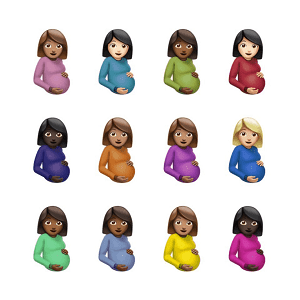
When Certified Lover Boy finally arrived in September 2021, it wasn’t just an album — it was an event.Drake had been teasing it for months. The cryptic billboards. The emoji-covered cover art. The never-ending delay. The world was waiting for the next great Drake statement — the kind that would reset the culture like Take Care or Nothing Was The Same did a decade earlier.
But when it dropped, something felt… off.
It wasn’t bad — Drake doesn’t really make bad albums — but it also didn’t feel urgent. CLB is the sound of the world’s most self-aware artist glancing at his reflection, realizing he’s still on top, and thinking, “That’s enough.”
It’s Drake running his victory lap — just with slightly less cardio.
Context: The Pressure Cooker Era
To understand CLB, you have to understand where Drake was in 2021.He’d just come off Scorpion (2018), a double album that was commercially unstoppable but creatively bloated. He’d feuded with Pusha T, revealed his son to the world, and endured two years of pandemic isolation where he went from pop culture’s nucleus to something closer to a constant background hum.
By the time CLB arrived, Drake wasn’t fighting for dominance anymore — he was dominance.And that’s the paradox: once you’ve achieved everything, what do you write about?
The answer, apparently, is women, betrayal, success, and self-awareness — the holy trinity of Drake themes. Only now, it sounds like he’s performing the role of “Drake” rather than living it.
Production: Comfort Food for the Drake Generation
Sonically, Certified Lover Boy is Drake’s most comfortable-sounding record. It’s the musical equivalent of ordering the same thing at Nobu every night: consistent, sleek, familiar.
Producers like Noah “40” Shebib, Boi-1da, T-Minus, and Metro Boomin return to build the signature low-lit world Drake lives in — lush samples, moody synth pads, soft trap percussion, and silky transitions between R&B and rap.
The intro, “Champagne Poetry,” sets the tone beautifully — a reflective, soulful opener sampling The Beatles (“Michelle”) that feels like the Drake we fell in love with: contemplative, elegant, and emotionally articulate.
Then, almost immediately, the album slides into safe territory.Tracks like “Girls Want Girls” and “In the Bible” are catchy but hollow — less like emotional confessionals, more like TikTok-ready sound bites.
Still, there are bright moments:
“Fair Trade” gives us existential flexing (“I’ve been losing friends and finding peace”) — a classic Drake contradiction.
“Pipe Down” feels raw, almost Take Care-level vulnerable.
“Knife Talk” and “No Friends in the Industry” inject much-needed energy, proving that when Drake wants to rap, he still outclasses 90% of the game.
But across 21 tracks, the sound begins to blur together. The album’s cohesion becomes monotony — comfort becomes complacency.
Lyrical Themes: The Eternal Lover, Still Searching
At its heart, Certified Lover Boy is an album about repetition — about how success, fame, and romantic chaos start to feel like reruns. Drake’s persona — part philosopher, part f**kboy, part poet laureate of regret — is fully intact, but slightly desensitized.
He’s self-aware enough to recognize his own patterns but not quite ready to break them.He raps about loyalty while doubting everyone. He celebrates solitude but craves connection. It’s the same paradox that made Take Care brilliant — only now, it feels heavier, like the weight of his own myth is pressing down on him.
On “Love All,” he raps alongside Jay-Z about disloyal friends and false gratitude. On “TSU,” he spins an emotional strip-club tale with unexpected empathy. On “Pipe Down,” he gives us peak Drake heartbreak: “How much I gotta spend for you to pipe down?” — equal parts narcissism and vulnerability.
These moments shine because they remind us that even after all these years, Drake still bleeds authenticity when he’s not trying so hard to be Drake™.
Reception: The Great Divide Between Fans and Critics
Critics were divided, fans even more so.Some praised CLB as a mature, reflective record from a man who no longer needs to prove himself. Others saw it as a lazy, overlong rehash of his greatest hits.
The truth? It’s both.
It’s Drake giving us exactly what we expect — no more, no less. A meticulously polished mirror image of his own brand. The hooks work. The beats slap. The quotables are plentiful. But it lacks risk, danger, and surprise — the very things that made albums like Take Care and Nothing Was The Same so magnetic.
Still, commercially, it was an unstoppable juggernaut. CLB debuted at No. 1, dominated streaming platforms, and broke multiple records. For Drake, this wasn’t about artistic evolution — it was about maintaining empire status.
Interpretation: The Paradox of Predictability
Certified Lover Boy might be the most “meta” Drake album yet. It’s not an artistic breakthrough — it’s a commentary on the impossibility of one.
Drake knows what we want from him. He knows the culture’s obsession with his persona, his dating life, his Instagram captions. And so he delivers the product — knowingly, even cynically. The album title itself feels ironic: Certified Lover Boy is less about love than about the certification — the branding of Drake as the archetype of emotional luxury.
He’s selling the image we helped him create, and he’s aware of the transaction. The question that lingers: Is Drake still the artist, or has he become the algorithm?
Legacy: The Safe Drake Album (and That’s the Point)
Years from now, CLB will likely be remembered as Drake’s “comfort era.” The album doesn’t shift culture — it solidifies it. It’s Drake maintaining his dominance through sheer consistency.
But beneath that smooth veneer is a hint of weariness — the sound of an artist who’s mastered every trick in the book, only to find the ending unsatisfying.
It’s not that he’s lost his magic — it’s that he’s outgrown his formula.
Final Word: Certified Lover Boy is Drake in maintenance mode — luxurious, predictable, and strangely self-aware. It’s not a failure, but it’s the first time his mastery felt like a cage.
A great Drake album makes you feel. This one makes you remember how it used to feel — and maybe that’s the saddest part.
6. Thank Me Later (2010)

Genre: Rap / R&B
Best Tracks: Over, The Resistance, Light Up (feat. Jay-Z), Fireworks (feat. Alicia Keys), Find Your Love
The Dawn of the Drake Era: When Vulnerability Became Marketable
Back in 2010, hip-hop was in a strange place. Kanye had disappeared into self-imposed exile after the Taylor Swift incident. Lil Wayne was still running the game from behind bars. The blog era was in full swing, with artists like Kid Cudi and J. Cole slowly redefining what rap could sound like.
And then came Aubrey Drake Graham — the Canadian actor who once got shot on Degrassi. To hip-hop purists, his emergence was almost blasphemous. To everyone else? It felt like something new.
Thank Me Later wasn’t just Drake’s debut album — it was a mission statement. A gentle revolution disguised as a humble introduction. Here was a rapper who sang about insecurity, admitted he missed his ex, and worried about fame before it even arrived — all over beats that sounded like they were submerged underwater.
He wasn’t trying to be the hardest. He was trying to be the realest.
Context: The Pressure of Arrival
By the time Thank Me Later dropped in June 2010, Drake was already one of the most hyped artists in the world.His 2009 mixtape So Far Gone was a phenomenon — blurring lines between R&B and rap and spawning hits like Best I Ever Had and Successful. The mixtape had basically forced the industry to take him seriously.
So when it came time for his debut, the stakes were absurdly high. Would he double down on the emotional vulnerability that made him special? Or would he “prove himself” by rapping harder, louder, more traditionally?
The result was a balancing act — an album caught between authenticity and aspiration. It’s the sound of an artist trying to figure out which version of himself the world will accept.
Production: The Birth of the “Drake Sound”
Let’s give credit where it’s due: Thank Me Later introduced the sonic DNA that would define an entire decade of music.The album was co-piloted by Drake’s right-hand producer Noah “40” Shebib, whose signature “underwater” mixing — reverb-heavy snares, muffled bass, and smoky synths — gave Drake’s confessions a cinematic weight.
Songs like “The Resistance” and “Fireworks” sound like journal entries written under mood lighting. Even when the production turns lush (Find Your Love), it’s still emotionally intimate.
At the time, this approach was radical.Hip-hop had seen vulnerability before — 2Pac, Kanye, Cudi — but never this smoothly integrated into the mainstream. Drake wasn’t just rapping about emotions; he was designing a whole sonic ecosystem for them.
Lyrical Themes: Fame, Fear, and the Forecast of Success
Thank Me Later is one of the rare debut albums where the artist already sounds world-weary. Drake spends the entire project predicting his own burnout — before it’s even begun.
On “The Resistance,” he admits:
“I avoided the cliche of getting rich and leaving… but sometimes I feel like it’s that I’m the only one believing.”
On “Fireworks,” he contemplates the fleeting nature of fame, relationships, and validation:
“Money just changed everything, I wonder how life without it would go.”
He’s rapping like someone who already knows the cost of the life he’s about to live — which, in hindsight, is exactly what happened.
Of course, there’s still braggadocio (“Over” is pure superstar energy), but it’s often followed by guilt or doubt. Every high comes with a hangover, every flex with a confession.
It’s not just the diary of a rising star — it’s the blueprint of an entire emotional generation.
Standout Moments: The Birth of a Persona
“Over” – The perfect single to introduce Drake to the world: confident, theatrical, self-aware. It’s him stepping onto the world stage saying, “Yes, I’m emotional — and I’ll still body you on a verse.”
“Fireworks” (feat. Alicia Keys) – A cinematic opener that feels like a slow-motion montage of Drake’s entire career before it even happens.
“Light Up” (feat. Jay-Z) – Jay passes the torch while simultaneously reminding Drake that fame is a trap. It’s mentor meets mirror.
“Find Your Love” – Co-produced by Kanye West, it’s one of the most melodic, emotional pop songs Drake’s ever made — foreshadowing how comfortable he’d later become blending rap and R&B seamlessly.
Reception: Critics Were Skeptical, Fans Were Obsessed
At release, critics were mixed. Some praised Drake’s introspection and sonic experimentation; others called him soft.Hip-hop, at that time, still carried a chip on its shoulder about masculinity. Drake’s willingness to admit weakness made him both a target and a trailblazer.
But fans? They got it immediately.For a generation raised on AIM statuses and emotional tweets, Drake’s blend of confidence and confession hit home. He wasn’t a mythic rapper — he was relatable. And that relatability turned into loyalty.
Interpretation: The Art of Self-Awareness
What makes Thank Me Later fascinating in hindsight is how self-aware it is.Most debut albums are about ambition. This one’s about the anxiety of achieving it.
It’s the rare debut that feels nostalgic for a life the artist hasn’t even lived yet — the pre-fame innocence he’s already missing. Drake isn’t glorifying success; he’s grieving it in real time.
That tension — between gratitude and exhaustion, between love and loneliness — would define every Drake album that followed.
Legacy: The Album That Made Sensitivity Cool
Over a decade later, Thank Me Later sounds like a cultural turning point. It gave permission for vulnerability to coexist with swagger. It opened the door for artists like The Weeknd, Bryson Tiller, Post Malone, and even Travis Scott to fuse melody with melancholy.
It wasn’t perfect — it’s inconsistent, unevenly paced, and occasionally awkward — but it was necessary. It’s the sound of an artist inventing a new lane while driving full speed down it for the first time.
Final Word:Thank Me Later is the prototype — the origin story. It’s not Drake’s best work, but it’s his most prophetic. Every success, every heartbreak, every existential lyric that would follow started here, in these 14 songs of ambition and unease.
If Take Care is the cinematic sequel, Thank Me Later is the rough draft that made it possible.
5. For All The Dogs (2023)

Genre: Rap / R&B / Experimental Trap
Best Tracks: Virginia Beach, 8am in Charlotte, First Person Shooter (feat. J. Cole), IDGAF (feat. Yeat), Polar Opposites
The Midlife Crisis Album: Drake vs. The Mirror
By the time For All The Dogs dropped in October 2023, Drake wasn’t just a rapper anymore — he was an institution. A generation had grown up on his quotes, his melodies, his emotional contradictions. But institutions eventually face the same existential question: What happens when you outlive your own mythology?
For All The Dogs feels like Drake trying to answer that question in real time.
It’s sprawling, messy, self-referential, and often brilliant in flashes — the musical equivalent of scrolling through his Notes app at 4 a.m. The album captures an artist torn between being the chart-dominating icon everyone expects and the restless experimenter he still wants to be.
It’s a man who’s done everything — and is now wondering if there’s anything left to do.
Context: Drake Fatigue Is Real
In 2023, Drake was omnipresent to the point of exhaustion.Between Honestly, Nevermind (2022), the Her Loss collab with 21 Savage (2022), endless singles, and constant online discourse about his personal life — fans and critics alike were beginning to experience what can only be described as Drake saturation.
So when he announced For All The Dogs, promising a return to “old Drake,” expectations skyrocketed. The cover — drawn by his son, Adonis — suggested something personal, maybe even self-reflective. What we got instead was a collage of contradictions: old-school introspection, Gen-Z trap chaos, and middle-aged defensiveness all living under one bloated roof.
It’s Drake’s most human album precisely because it’s the most uneven.
Production: Fragmented Genius
For All The Dogs isn’t cohesive — and that’s kind of the point. The production swings wildly between eras and aesthetics.
There are Take Care-style introspective tracks (Virginia Beach), Scorpion-era flexes (First Person Shooter), experimental trap detours (IDGAF with Yeat), and sultry R&B moments (Tried Our Best, Members Only).
Producers include Boi-1da, 40, Tay Keith, Metro Boomin, Sango, and Lil Yachty, who surprisingly serves as one of the album’s main curators. The result? A sonic scrapbook — sometimes thrilling, sometimes frustrating, always interesting.
What’s notable is how loose the album feels. The transitions are abrupt, the tone shifts constantly. It’s like Drake decided to stop editing himself — for better or worse.
Lyrical Themes: Legacy, Resentment, and the Search for Authenticity
This is the sound of Drake reckoning with himself. The themes are all over the place, but they orbit the same core tension: How do you age gracefully when your identity is built on youth?
On “Virginia Beach,” he opens with melancholy: “I bet your mother would be proud of you.” It’s reflective, weary, and vulnerable.
On “First Person Shooter”, he trades verses with J. Cole, flexing about being one of the “Big 3” — a meta acknowledgment of his place in hip-hop’s hierarchy.
On “Tried Our Best”, he admits emotional failure with heartbreaking simplicity.
Then two songs later, he’s dissing women, exes, and unnamed rivals like it’s 2015 again.
The whiplash is the point. For All The Dogs reads like a diary written by someone who’s tired of pretending to have clarity.
He’s defensive about his status, nostalgic for his prime, and quietly terrified that the world is moving on.
Highlights: When It Works, It Really Works
When the album locks in, it’s Drake at his sharpest.
“8am in Charlotte” is the standout — classic timestamp Drake, rapping with surgical precision over soulful keys. It’s mature, reflective, and confident without posturing.
“First Person Shooter (feat. J. Cole)” is a cultural moment — two titans sparring with mutual respect.
“Tried Our Best” is quietly devastating, a return to the emotional honesty fans have been craving.
“IDGAF” brings raw, chaotic energy — Yeat’s feature turns the track into a chaotic meme anthem that somehow works.
These flashes prove Drake still has it. The problem is everything around them dilutes their impact.
Reception: The Internet Civil War
Upon release, For All The Dogs sparked the usual cultural explosion. Memes, thinkpieces, and stan wars dominated social feeds.
Critics were divided (again). Some praised the vulnerability and experimentation; others saw it as a creative burnout hidden behind slick production. Fans oscillated between defending it as misunderstood genius and admitting it’s too long, too erratic, and occasionally tone-deaf.
But even its flaws are fascinating. Because for the first time in a while, Drake sounds unsure.
There’s no pre-packaged confidence, no clean narrative. Just an artist staring down the end of an era, trying to find new language for feelings he’s already exhausted.
Interpretation: The Cost of Being Everyone’s Everything
For All The Dogs is Drake’s most self-conscious album, even when he’s pretending not to care.He’s not the hungry newcomer, nor the detached superstar — he’s a man caught in between, unsure which version of himself the world still wants.
That identity crisis manifests in the album’s structure: chaotic, scattered, contradictory. But buried in the chaos are glimmers of real introspection — moments where he drops the posture and admits that being Drake isn’t fun anymore.
It’s less an album about dogs than one about being hunted — by fame, expectation, and your own mythology.
Legacy: The Sound of an Artist in Transition
In hindsight, For All The Dogs might be Drake’s pivot point — the messy transition from dominance to reflection. It’s the album that forces him to confront the limitations of his formula and the exhaustion of maintaining empire-level relevance.
If Nothing Was The Same was Drake mastering himself, For All The Dogs is him unlearning it.
Final Word: For All The Dogs is not Drake’s cleanest work — but it’s one of his most revealing. It’s an album about the cracks in the crown, about the quiet paranoia of a man who’s built an empire but no longer recognizes the view from the top.
It’s not a victory lap. It’s an existential sigh — set to beautiful production.
4. Scorpion (2018)

Genre: Rap / R&B / Pop
Best Tracks: Emotionless, Nonstop, 8 Out of 10, Nice for What, In My Feelings, March 14
The Double-Edged Album: Drake vs. the Weight of His Own Myth
When Scorpion dropped in June 2018, it felt less like an album and more like a cultural blackout.Spotify plastered Drake’s face on every playlist — even ones where he didn’t belong (yes, even “Music for Plants”). The hype was biblical.
But underneath the marketing overkill was a simple truth: Drake was at war with himself.
Scorpion is a study in duality — half rap, half R&B; half confidence, half confession. It’s the sound of an artist who’s simultaneously untouchable and completely cornered.
Because this wasn’t just a release — it was a response.
Context: The Summer of the Scandal
The backdrop to Scorpion is pure drama.Drake had just gone ten rounds with Pusha T, who, in one of the most brutal diss tracks ever (The Story of Adidon), exposed the secret Drake had been keeping: he was a father.
This wasn’t just a lyrical L — it was a PR earthquake. The man who built his brand on emotional transparency was suddenly being accused of hiding his own son.
So Scorpion became both a musical project and a form of damage control. It’s Drake trying to process the fallout in real time — equal parts apology, justification, and power flex.
Structure: Two Sides of the Same Coin
Scorpion is a double album, split between “Side A” (rap-heavy) and “Side B” (R&B and pop).It’s Drake’s way of saying, “You want bars? Cool. You want melodies? Cool. I can do both — in one breath.”
But that ambition is both its power and its flaw. The album runs almost 90 minutes, and while the highs are career-defining, the bloat is real.
Side A feels defensive and assertive — Drake reclaiming control of the narrative. Side B feels vulnerable and introspective — Drake retreating into his emotions.
Together, they form the ultimate Drake paradox: the artist who can do everything, but maybe shouldn’t try to all at once.
Production: A Masterclass in Polished Excess
Production-wise, Scorpion is immaculate — sometimes too immaculate.Drake reunites with his usual team (40, Boi-1da, T-Minus) and enlists No I.D., Tay Keith, and DJ Premier for extra texture.
The beats swing between icy minimalism (Nonstop, Mob Ties) and glossy soul samples (Emotionless, Sandra’s Rose).There’s even a Michael Jackson feature on Don’t Matter to Me — a surreal reminder of just how massive Drake’s pop gravity had become.
Still, it’s Emotionless — built around a haunting Mariah Carey sample — that defines the album’s tone. Drake raps:
“I wasn’t hiding my kid from the world / I was hiding the world from my kid.”
It’s equal parts confession, justification, and meme fodder — but it’s also a real moment of humanity in the middle of spectacle.
Lyrical Themes: Transparency as Armor
Across Scorpion, Drake weaponizes vulnerability.He knows the internet is watching, dissecting, waiting to pounce — so he beats everyone to the punch.
He admits the truth (March 14), owns his flaws (Emotionless), and still finds room for pettiness (8 Out of 10). It’s a balancing act between sincerity and brand maintenance.
But beneath the quotables lies something deeper: exhaustion.Drake sounds tired of his own narrative. Tired of explaining, defending, being “the guy.”He’s finally confronting the cost of omnipresence — the loneliness, the paranoia, the absurdity of it all.
It’s the first time we hear a hint of Drake’s existential fatigue, the thread that would later run through Honestly, Nevermind and For All The Dogs.
Highlights: When the Duality Clicks
“Emotionless” – A confessional masterpiece. Drake turns public scandal into poetry.
“8 Out of 10” – A sly, swaggering clapback that proves he can still throw lyrical punches.
“Nonstop” – Peak meme-era Drake; mindless, hypnotic, and addictive.
“Nice for What” – His feminist anthem; flips Lauryn Hill into a club empowerment song for the Instagram age.
“In My Feelings” – The viral juggernaut that made the whole world dance (and almost break its kneecaps).
“March 14” – The emotional closer. Drake alone at the piano, reflecting on fatherhood and broken homes. It’s raw, real, and quietly devastating.
These songs capture both sides of Drake — the mogul and the man.
Reception: Peak Drake, Peak Controversy
Commercially, Scorpion was unstoppable. It shattered streaming records, spent weeks at No. 1, and generated multiple No. 1 singles.But critically? The reactions were mixed.
Some praised its honesty and scope. Others called it bloated and self-indulgent. Many felt Drake was spreading himself too thin — trying to please every version of his audience instead of taking artistic risks.
But even those who criticized it couldn’t deny its impact.Scorpion wasn’t just an album; it was a cultural takeover. Drake’s reach had transcended music — he was an ecosystem.
Interpretation: Fame as a Feedback Loop
At its core, Scorpion is Drake’s reflection on the cost of constant visibility.He’s simultaneously embracing and resenting fame — too addicted to step away, too self-aware to fully enjoy it.
It’s the first time he admits he’s trapped in the persona we helped him build. The lover, the player, the meme, the mogul — all stitched together into a single, slightly hollow empire.
There’s brilliance in that awareness. But there’s tragedy too.
Legacy: The Peak Before the Plateau
Looking back, Scorpion feels like the turning point in Drake’s career. It’s the last album where he was undeniably dominant — before streaming fatigue, oversaturation, and creative restlessness began to set in.
It’s also the album that revealed the limits of his formula.After this, Drake would start chasing reinvention — house music, collabs, experiments — all in search of the spark that once came naturally.
Final Word: Scorpion is both Drake’s crowning achievement and his cautionary tale. It’s the sound of an artist reaching the summit, looking around, and realizing there’s nowhere higher to go.
It’s brilliant, bloated, beautiful, and broken — the definitive portrait of Drake at his most powerful, and most human.
3. Views (2016)

Genre: Rap / R&B / Dancehall / Pop
Best Tracks: Weston Road Flows, Controlla, One Dance, Feel No Ways, Views, Too Good (feat. Rihanna)
The Weather Report from the Top: Cold, Expensive, and a Little Lonely
When Views dropped in April 2016, it wasn’t just an album — it was a global mood board. Drake was everywhere: the memes, the billboards, the “Hotline Bling” dance that your uncle tried at a wedding. He was no longer just the face of Toronto — he was the face of feelings themselves.
The cover said it all: Drake sitting on top of the CN Tower, gazing down at the city he made cool.He’d finally reached his hometown hero arc. But look closer — he’s sitting alone, distant, above it all.
That’s Views in a nutshell: a victory lap that feels suspiciously like a therapy session.
Context: The King of the Streaming Era
By 2016, Drake wasn’t competing — he was dominating.His previous mixtape, If You’re Reading This It’s Too Late (2015), was both a surprise and a statement: sharper, darker, and arguably his most focused project.
So when Views arrived, the world expected nothing less than a coronation. It was Apple Music’s first major streaming exclusive, dropped during the height of the streaming wars, and marketed like a national event.
But beneath all the corporate gloss was a deeply personal project. Drake described it as “a story about the seasons in Toronto” — emotional weather as metaphor.Winter is loneliness. Summer is success. Autumn is nostalgia.And the temperature never quite settles.
Production: OVO Sound in Full Bloom
Views is Drake and producer 40’s most cinematic collaboration to date.The album flows like a single mood board — icy synths, filtered drums, cavernous bass, and reverb that makes everything sound like it’s echoing across Lake Ontario.
But Drake also embraces warmth: dancehall, Afrobeat, and Caribbean rhythms weave throughout, reflecting Toronto’s multicultural soundscape.
Tracks like “Controlla” and “One Dance” fuse global influence with pop precision. At first, critics accused Drake of “appropriating” sounds; later, they’d admit he was helping mainstream them. By 2016, every artist was suddenly adding island flavor — Views didn’t follow the trend; it set it.
Key takeaway: This was the sound of the world in motion — global pop filtered through Toronto gray skies.
Lyrical Themes: The Emperor of Emotion
Drake’s favorite subjects are all here — love, loyalty, paranoia, nostalgia — but Views reframes them through isolation at the top.
The tone is chilly. Even when he’s flexing, he sounds tired of himself.
On “Keep the Family Close”, he laments betrayal with cinematic drama:
“All of my ‘let’s just be friends’ are friends I don’t have anymore.”
“Feel No Ways” finds him in full emotional limbo — wistful, passive-aggressive, and melodic enough to make sadness sound like sunshine.
“Weston Road Flows” is vintage Drake storytelling — gratitude, reflection, hometown pride — the emotional heart of the album.
“Views” closes the project with a mix of triumph and exhaustion:
“It’s all good when we make love / All I ask is don’t take our love for granted.”
The throughline? Success didn’t fix anything. If anything, it made the loneliness feel bigger.
The Summer Side: When Drake Became a Global Brand
Let’s not pretend Views didn’t completely dominate the world.
“One Dance” became Drake’s first No. 1 single as a lead artist — and then refused to leave the charts for months. It was the unofficial song of 2016, played everywhere from beach clubs to baby showers.
“Controlla” and “Too Good” extended that warm-weather reign — flirtatious, danceable, endlessly replayable.
Even “Hotline Bling”, tacked onto the album as a bonus track, became a meme-fueled cultural moment that transcended music entirely.
Drake had officially cracked the formula: introspection for the headphones, rhythm for the radio.
Reception: The Icy Divide Between Critics and Culture
When Views dropped, critics were skeptical. Many called it bloated, repetitive, and emotionally inert. Fans, however, made it a phenomenon.
It stayed at No. 1 for 13 consecutive weeks, sold millions, and became one of the first truly streaming-native albums to break industry metrics.
And as the years passed, even skeptics came around.The songs that once felt monotonous started to feel meditative. The emotional chill started to feel deliberate — the calm of a man realizing that success doesn’t change the weather inside you.
Interpretation: The Architecture of Distance
Views is often misunderstood as Drake’s “safe” album, but it’s really a psychological one. It’s about height — not just fame, but the loneliness that comes with it.
The CN Tower cover isn’t an aesthetic choice — it’s a metaphor. He’s up there, watching the city move below, disconnected from the people who made him who he is.
The album’s structure — starting in winter and ending in summer — mirrors his emotional cycle: cold isolation melting into brief connection, only to freeze again.
It’s not the most thrilling Drake record, but it might be the most complete.
Legacy: The Blueprint for Modern Pop-Rap
Years later, Views feels prophetic. It set the tone for what pop-rap would sound like for the next five years: minimalist production, melodic flows, global rhythms, and lyrics that sound like late-night texts.
It also solidified Drake as a cultural weatherman — the artist who didn’t just reflect feelings but forecasted them.
Whether you loved or hated it, you couldn’t escape it.It wasn’t designed to shock — it was designed to last. And it did.
Final Word: Views is the album where Drake became more than a rapper. He became a mood, a lifestyle, a genre in himself.
It’s cold, calculated, and emotionally claustrophobic — but that’s the genius. It’s the sound of a man who has everything and still feels almost nothing.
A melancholy empire, frozen in 40’s reverb.
2. Take Care (2011)

Genre: Rap / R&B / Ambient Pop
Best Tracks: Marvins Room, Cameras / Good Ones Go, Crew Love, Take Care, The Ride, Over My Dead Body
The Birth of the Sad Boy Empire
If So Far Gone (2009) was Drake’s coming-out party, Take Care was the moment he became a myth.Released in November 2011, this album didn’t just blur genre lines — it erased them.
Rap? R&B? Electro-soul? Late-night confessional diary entry? Drake fused them all into something completely new: luxury melancholy.
It’s an album that sounds like it’s always 3:47 a.m.The lights are low, the drink’s half-finished, and you’re rereading texts you shouldn’t be rereading.
This wasn’t rap’s usual bravado. This was emotional transparency set to minimalist beats — heartbreak, ego, guilt, and desire swirled into one long, champagne-soaked therapy session.
Context: The Making of an Icon
By 2011, Drake was already the most polarizing figure in hip-hop.He was too emotional for the purists, too lyrical for pop radio, too self-aware to be ignored.
But he had something no one else did: a vision.
With Take Care, Drake and his sonic architect Noah “40” Shebib built a sound that was revolutionary for its time — slow, submerged, and hypnotic.The beats didn’t hit hard — they lingered.
And behind the boards were future legends: The Weeknd, Jamie xx, T-Minus, and Boi-1da, each bringing different shades of mood to the table.
It was a collective masterpiece — OVO’s aesthetic coming to life before our ears.
Production: The Sound of Emotional Climate Change
Let’s be real: Take Care doesn’t sound like 2011. It sounds like the future — nocturnal, atmospheric, and emotionally expansive.
40’s production is soaked in reverb and melancholy — bass that feels like heartbeats, synths that hum like fluorescent light, snares that sound like rain on glass.
Tracks like “Crew Love” (featuring a ghostly Weeknd) and “The Ride” create entire emotional landscapes with just a few sounds.Even “Marvins Room” — a track that literally sounds like a voicemail confession — became a cultural landmark.
It’s not a breakup song. It’s a moment of self-pity so intimate it feels invasive.
“I’m just saying you could do better…”
That line alone birthed a thousand memes, parodies, and late-night texts.
Lyrical Themes: The Gospel of Vulnerability
Drake’s genius here lies in the balance between emotional openness and self-awareness.He’s sad — but he knows he’s sad. He’s lonely — but he can’t stop performing that loneliness.
That tension becomes art.
On “Over My Dead Body,” he opens the album like a diary entry:
“I think I killed everybody in the game last year / Man, f*** it, I was on though.”
It’s boastful and broken in the same breath.
On “Cameras / Good Ones Go,” he sounds like he’s singing to an ex — and himself — about fame’s toll on real intimacy.And “The Ride” (the closer) ties it all together — Drake recounting his rise with detached exhaustion, realizing that even success feels strangely empty.
It’s emotional realism wrapped in luxury aesthetics.
Highlights: The Soundtrack to a Generation’s Emotional Mess
“Marvins Room” – The quintessential sad drunk text turned into art.
“Take Care” (feat. Rihanna) – A tender duet of emotional reciprocity; both fragile and healing.
“Crew Love” – The Weeknd’s introduction to the mainstream; eerie, hedonistic, brilliant.
“Cameras / Good Ones Go” – Deep cut perfection; nostalgia through a hazy lens.
“The Ride” – The best outro Drake has ever written; part confession, part eulogy to innocence.
Each track drips with cinematic melancholy. Every bar feels both deeply personal and universally relatable — that’s the Take Care magic.
Cultural Impact: The Blueprint for a Decade
When Take Care dropped, it was divisive.Some critics dismissed it as “emo-rap.” Others called it indulgent.But in hindsight? It rewired hip-hop.
After Take Care, every rapper started letting their guard down.Emotional transparency became a form of swagger. Vulnerability became the new flex.
Without Take Care, there’s no 808s & Heartbreak renaissance, no Bryson Tiller, no Frank Ocean-era crossover lane for introspective R&B, no “sad boy” wave in pop culture.
Drake didn’t just change rap — he changed masculinity in rap.He made it okay to feel things out loud.
Interpretation: The Price of Feeling Everything
At its core, Take Care is about the loneliness of excess.Drake is surrounded by luxury but haunted by what he’s lost in pursuit of it.
It’s an album that turns emotional contradiction into coherence — self-loathing that sounds like self-love, heartbreak that feels like seduction.
The production mirrors the psychology: everything is beautiful, but just slightly out of focus.
It’s not just Drake’s best storytelling — it’s his most human moment.
Legacy: The Defining Album of a Generation
More than a decade later, Take Care still feels timeless. It’s the sonic equivalent of a rainy night drive through your own regrets.
It inspired an entire generation of artists, from The Weeknd and PARTYNEXTDOOR to Juice WRLD and Post Malone.Even pop stars borrowed its moodboard — you can hear its DNA in Billie Eilish, Halsey, and SZA.
Final Word: Take Care is Drake at his most vulnerable, self-aware, and artistically fearless. It’s the record that turned him into Drake™: the confessional superstar who could make emotional complexity sound like chart-topping magic.
Every artist since has been trying, in some way, to make their own Take Care.But there can only be one.
It’s not just an album — it’s a mirror, one that reflects how fame, love, and loneliness blur into one long night.
1. Nothing Was the Same (2013)

Genre: Rap / R&B / Soul / Atmospheric Pop
Best Tracks: Tuscan Leather, Started From the Bottom, Furthest Thing, Too Much, From Time, Pound Cake / Paris Morton Music 2
The Moment the Clouds Parted
By the time Nothing Was the Same dropped in September 2013, Drake had already conquered the charts, the memes, and the hearts of moody twenty-somethings everywhere.But he hadn’t yet made his statement piece — his version of Blueprint, Good Kid, M.A.A.D City, or My Beautiful Dark Twisted Fantasy.
Nothing Was the Same is that album.
It’s Drake’s most focused, cohesive, and aesthetically confident project.He doesn’t reinvent himself — he perfects himself.
No filler, no indecision, no unnecessary genre-hopping.Just Drake — distilled, disciplined, and devastatingly good at being himself.
The Cover: Duality in Portrait Form
Even the album art tells a story — a young Drake facing his older self, clouds drifting between them. It’s symbolic, of course: the boy versus the man, the dreamer versus the mogul, the kid from Toronto versus the global icon.
It’s not about reinvention — it’s about evolution.And that’s what the entire album feels like: a polished version of everything he’d been building toward since So Far Gone.
Production: Cinematic Minimalism, OVO Style
Drake’s sonic architect Noah “40” Shebib is in absolute peak form here.The beats are lush but restrained — moody piano loops, submerged samples, and hypnotic percussion that lets Drake’s voice carry the emotion.
The opener, “Tuscan Leather,” is one of the most jaw-dropping intros in rap history — three beat switches, no hook, and six minutes of Drake declaring dominance like a calm storm.
“How much time is this n**** spending on the intro?”
That line is half flex, half thesis statement. He’s so confident now that even self-awareness becomes swagger.
Then there’s “Furthest Thing,” which shifts from introspection to braggadocio mid-song, and “Started From the Bottom,” a minimalist anthem that redefined the phrase “rags to riches” for the Instagram age.
Production-wise, it’s perfection — clean, cold, and cinematic. Every sound feels intentional.
Lyrical Themes: Balance, Clarity, and Control
If Take Care was emotional chaos, Nothing Was the Same is emotional clarity.Drake has stopped apologizing for who he is — and started owning it.
The album is split between two emotional gears: reflection and assertion.
On one hand, we get intimacy and self-doubt (From Time, Too Much, Connect).On the other, we get unfiltered dominance (The Language, Worst Behavior, Pound Cake).
He’s no longer the guy drunk-dialing his ex — he’s the guy building empires, then reminiscing about the ones who didn’t believe in him.
It’s the sound of a man who finally understands his own contradictions — and has turned them into an art form.
The Emotional Core: “From Time” and “Too Much”
Amid all the bravado, Drake delivers two of his most human songs ever:
“From Time” (featuring Jhené Aiko) is a slow-motion therapy session, with Drake reflecting on his relationships, parents, and inability to truly connect. It’s tender, mature, and quietly devastating:
“I love me enough for the both of us.”
Then there’s “Too Much”, featuring British singer Sampha, where Drake opens up about family tension and the cost of ambition:
“Don’t think about it too much, too much…”
It’s haunting and real — a moment where fame fades and humanity takes over.
These songs aren’t just emotional detours — they anchor the album.They remind you that beneath the designer flex and the dominance, there’s still Aubrey Graham, sorting through it all.
Highlights: When Every Mode of Drake Clicks
“Tuscan Leather” – A lyrical clinic; Drake in full control of his legend.
“Furthest Thing” – The perfect blend of introspection and bravado.
“Started From the Bottom” – The anthem of ambition that became a global motto.
“From Time” – His purest moment of self-awareness.
“Too Much” – Vulnerability as catharsis.
“Pound Cake / Paris Morton Music 2” – Drake and Jay-Z trading bars over heaven-level production; legacy talk at its finest.
There’s no filler here. Every track feels deliberate — sleek, emotional, essential.
Cultural Impact: The Moment Drake Became the Blueprint
With Nothing Was the Same, Drake didn’t just dominate — he defined what modern hip-hop would sound like for the next decade.
That fusion of icy production, half-sung delivery, and confessional lyricism became the template.Rappers, singers, and entire subgenres (lo-fi rap, trap-soul, melodic drill) trace their lineage directly back here.
Drake had finally balanced the tightrope between rapper and singer, artist and brand, emotion and ego — and everyone else spent the next ten years trying to copy the formula.
Interpretation: Mastery Through Restraint
Unlike Scorpion or Views, Nothing Was the Same isn’t sprawling — it’s precise. It doesn’t try to do everything. It just tries to do Drake — perfectly.
It’s introspective without being indulgent, confident without being loud, emotional without being messy.The album’s genius lies in its restraint — the feeling that Drake knows exactly who he is, and exactly what he’s capable of.
This is the album where the myth and the man finally merge.
Legacy: The Pinnacle of Drake’s Craft
A decade later, Nothing Was the Same still feels undeniably fresh. It’s the one Drake album that fans and critics unanimously revere — the ideal balance between emotional depth, lyrical precision, and cultural dominance.
Final Word:Nothing Was the Same isn’t just Drake’s best album — it’s his defining moment.The peak of his confidence, the purity of his craft, the blueprint of his empire.
Every era before was a climb. Every album after was a search.But here? He’s standing at the top, calm, collected, and certain.
Because for once, Drake wasn’t proving himself. He was being himself.
And nothing — truly — was the same after that.
Outro: From the 6 to the World — The Drake Decade

When you trace Drake’s discography, it reads less like a traditional rap career and more like an emotional autobiography in real time. Every album is a timestamp — a different version of the same man, processing fame, love, success, and solitude through new filters of sound.
From Thank Me Later’s wide-eyed ambition to Nothing Was the Same’s icy confidence, from Take Care’s heartbreak confessions to Scorpion’s empire-sized paranoia — the throughline isn’t reinvention. It’s refinement.
Drake never needed to change who he was; he just kept perfecting how he said it.
The Artist as Mirror
Drake’s greatest trick — and maybe his greatest burden — is that he became a mirror for his audience.We see our own contradictions in him: confidence and insecurity, ego and empathy, romance and detachment.
He built a career on emotional transparency, but that same honesty turned him into a cultural Rorschach test.Everyone projects onto Drake. Is he a genius or a sellout? Vulnerable or manipulative? Lonely or just performing lonely?
The answer is yes — to all of it.That’s the Drake effect: every version of him is real, depending on when you look.
The Soundtrack of Modern Emotion
Musically, Drake redefined what rap could sound like.He blurred the line between genres until there was no line left — between bars and melodies, flexing and feeling, Toronto winters and global summers.
He made minimalism cool. He made vulnerability powerful. He made sadness sound expensive.
And even when his albums felt overstuffed or experimental (Scorpion, Honestly, Nevermind, For All The Dogs), they still captured something true about the cultural moment — the burnout, the scrolling fatigue, the loneliness that lingers even when you have everything.
In a world of noise, Drake made introspection sound like pop.
Drake as Cultural Era
You can’t talk about the 2010s — or even early 2020s — without talking about Drake.He’s not just a chart-topper; he’s an aesthetic.
The moody late-night playlist? Drake invented that.The emotional caption era? Drake fueled it.The global fusion of sounds — Afrobeat, dancehall, trap, R&B — that define today’s hits? Drake helped mainstream it.
He’s the connective tissue of an entire generation’s taste.
And sure, he’s polarizing. He’s mocked as much as he’s mimicked.But that’s what happens when you become bigger than music.
Drake isn’t just an artist. He’s a genre unto himself.
The Evolution: From Feeling Everything to Controlling the Feeling
Early Drake felt everything.Mid-era Drake managed everything.Later Drake controlled everything.
Each phase says something about where he was — and where we were — as listeners.
Thank Me Later (2010): The dreamer, overwhelmed by success.
Take Care (2011): The romantic, drowning in emotion.
Nothing Was the Same (2013): The master, aware of his power.
Views (2016): The emperor, surveying from isolation.
Scorpion (2018): The mogul, defending his myth.
Honestly, Nevermind (2022): The wanderer, chasing reinvention.
For All The Dogs (2023): The veteran, self-aware and self-parodic.
It’s not a straight line — it’s a cycle. Each album is Drake trying to rediscover the spark of why he started, even as he outgrows the world that made him.
Legacy: The Man Who Made Feelings Go Platinum
Drake’s legacy isn’t about innovation in sound — it’s about innovation in tone.He gave a generation permission to narrate their emotions without irony.
He made it okay for men to be self-conscious, for rappers to be sentimental, for heartbreak to exist in the same playlist as ambition.He turned mood into marketability — and art.
Drake taught the world that feelings, when expressed the right way, could be both universal and luxurious.
Final Word: Nothing Was the Same — And It Still Isn’t
More than a decade in, Drake’s story is still being written.He’s a living paradox — the superstar who still raps like he’s proving himself, the megabrand who still talks like he’s texting an ex.
But maybe that’s the magic. Every era of Drake — the lover, the villain, the philosopher, the hitmaker — feels authentic, because he’s never stopped narrating the process of becoming himself.
He’s not chasing trends anymore. He is the trend.
And when the dust of this generation’s music settles, one thing will remain certain:
Drake didn’t just soundtrack our feelings — he helped us understand them.
Because from Thank Me Later to Nothing Was the Same, one truth echoes across it all:
“They ain’t make me what I am, they just found me like this.”
And the rest, as he’d say —is history in real time.


Comments